Field Guide / Turkey
When is the Minnesota Turkey Hunting Season?





Minnesota’s 2026 spring turkey season is scheduled from April 15 to May 31, with six hunting periods (labeled A through F) during which hunters can pursue bearded turkeys, according to the Minnesota DNR. Each of these periods generally lasts about one week.
The application deadline for the Wildlife Management Area (WMA) lottery is February 13, 2026. However, no other zones require a lottery.
From the exhilarating pursuit of turkeys across vast plains to the strategic navigation of expansive woodlands, North Minnesota offers a turkey hunting experience that is not just a sport but a journey steeped in history and strong tradition. You can target the Eastern and Rio Grande subspecies in this state while immersing yourself in pure wilderness and rugged boreal forestry. Remember, preparation and getting in early are not just important; they are the keys to a successful hunt, especially in Minnesota.
Here's everything you need to know about turkey season, Minnesota!
Updated April 2, 2026
When Is Turkey Season in Minnesota?
Minnesota offers a spring turkey hunting season divided geographically based on Minnesota turkey hunting zones. Explore the dates below and pay special attention to the lottery deadline, as this is how hunters can access their turkey tags for specific wildlife management areas during the Spring season.
Spring Minnesota Turkey Season Dates 2026 | |
WMA Lotter Deadline | February 13, 2026 |
Youth | April 15 through May 31, 2026 |
Archery | April 15 through May 31, 2026 |
A Season | April 15 through April 21, 2026 |
B Season | April 22 through April 28, 2026 |
C Season | April 29 through May 5, 2026 |
D Season | May 6 through May 12, 2026 |
E Season | May 13 through May 19, 2026 |
F Season | May 20 through May 31, 2026 |
Bag Limits, Restrictions, and Licensing
Turkey hunters must purchase a license online, by telephone, or from an approved retailer, and the permit must reflect their status as either a local or non-resident.
The bag limit for spring is one wild turkey with a visible beard (a feathered appendage typical of males). The limit for the fall hunt is one bird of either sex.
All hunters and intended hunters born after December 31, 1979, seeking a license must have a firearms safety or hunter education certificate to purchase a hunting license in Minnesota legally.
What to Know About the Turkeys of Minnesota
In the early 1900s, turkeys were essentially wiped out of Minnesota due to a combination of deforestation, poor ecological management, and overhunting.
Some experimental reintroduction efforts in 1971, involving state and federal collaboration, saw turkey numbers explode, expanding their habitat to cooler regions and urban centers. Today, turkey hunters in Minnesota can enjoy targeting both the eastern and Rio Grande species.
Minnesota Turkey Characteristics
The wild turkeys in Minnesota are a popular hunting target and a testament to the Minnesota Department of Natural Resources' conservation efforts.
Here are some critical insights into the turkeys you'll find in this state.
What Do They Look Like?
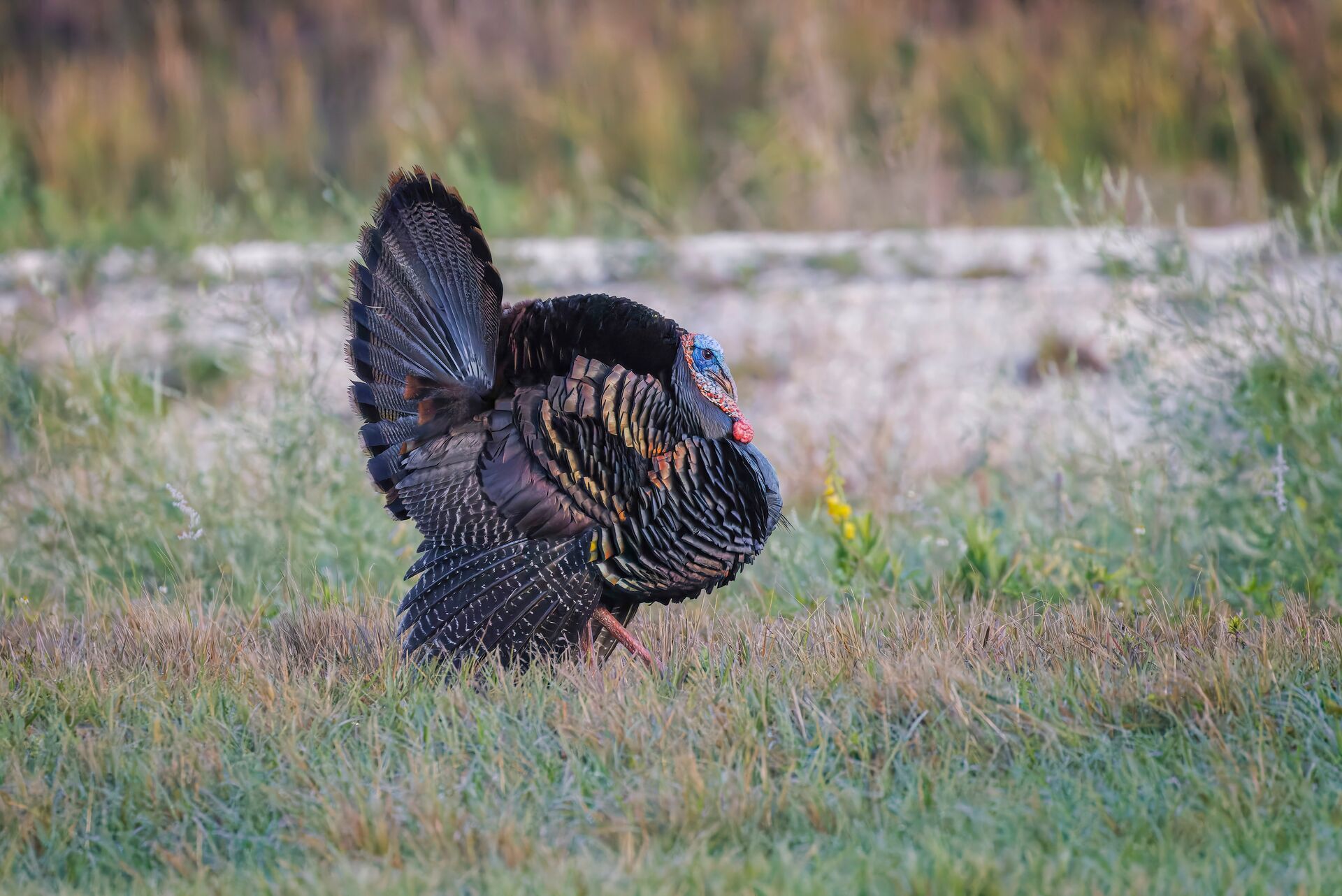
The wild turkeys of Minnesota have long, dark, black-gray feathers, and a male gobbler will have a typical fan-shaped tail. They can grow between 10 and 25 pounds and are about three feet long.
They also have distinctive, small heads that combine red and blue.
What Do They Eat?
Opportunistic, these turkeys will graze on anything they can find. This includes grasses, buds, insects, acorns, and sometimes even tiny frogs or snakes.
How Do They Behave?
Mating occurs from April to May, and hens can lay up to 12 eggs, which hatch in 28 days. They're social birds and will sometimes flock in groups of up to six or up to 40.
Where Do They Go?
Typically, you'll find these birds in brush grasslands and near waterways such as river bottoms. They will come out from their roosting to open wooded areas for feeding.
Geographically, Minnesota's wild turkeys are relatively well spread, including North up to the Detroit Lakes and a high concentration in the Southeast regions.
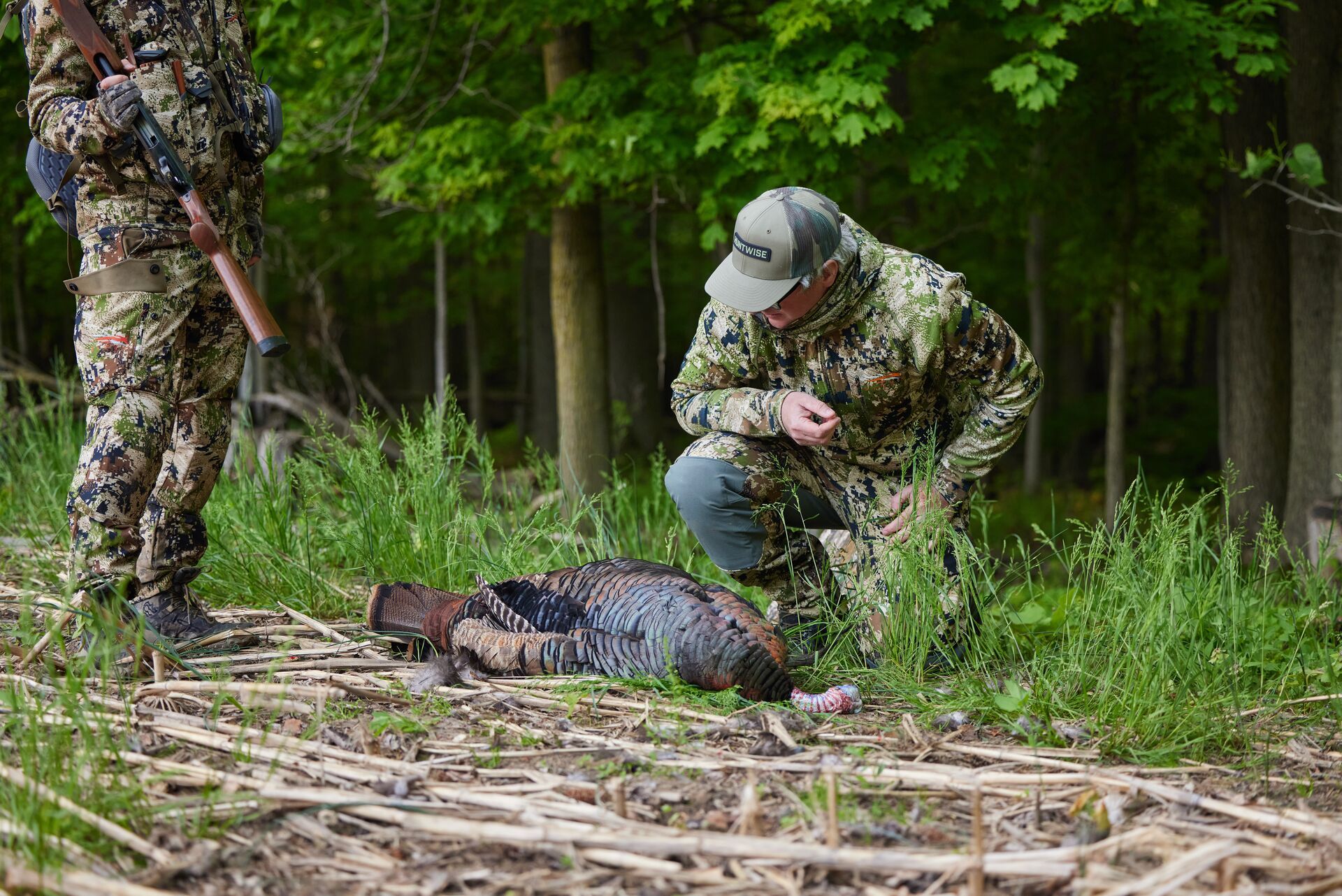
How to Improve Your Chances of Bagging a Bird in Minnesota
We want you to come home with a bird this Minnesota turkey hunting season! Here are a few tips to help improve your success.
Use Decoys and Calls
Pack more calls than you'll need, as you may have success with a range of calls, including clucks, purrs, and yelps.
However, use calls sparingly and consider a singular turkey decoy to avoid arousing suspicion in these notoriously challenging birds of Minnesota.
Use a Blind
When using a blind to hunt during Minnesota turkey season, establish a natural hunting zone that offers food, covers open fields, and provides access to waterways that turkeys need. Along movement paths or places where you or others have seen turkey flocks moving can be high-impact zones.
Remember that jakes and toms will be strutting away in more open areas when mating in spring.
Note: New safety regulations dictate that ground blinds on public land must have a blaze-orange safety covering on top.
Use HuntWise to Plan Your Hunt
To gain an edge over other hunters, begin the season early with pre-season scouting to locate nests and movement patterns.
Remember that turkeys follow behavior patterns, so if you spot some birds, there's a fair chance they will pass by the same way again. If you can target paths, especially near areas of cover, you'll maximize your chances of calling in a large bird.
With the HuntWise topographic mapping feature, you can e-scout high-impact areas such as bends and valleys leading to waterways where turkeys are more likely to traverse.
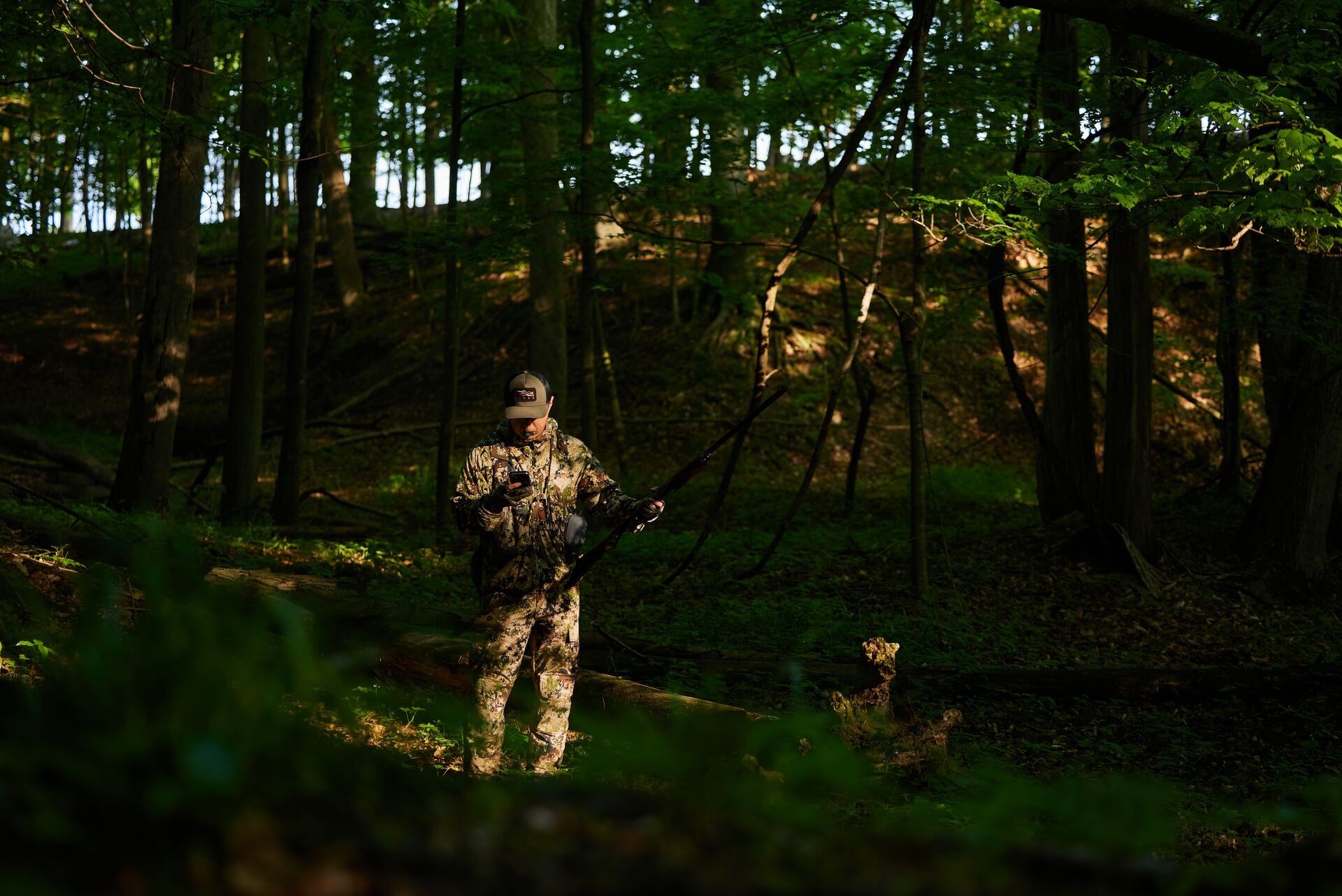
Get Ready for Minnesota Turkey Hunting Season with HuntWise
Past Minnesota turkey seasons have seen some vast harvests thanks to conservation and preservation efforts. However, if you want to tag out this season in one of the country's most stunning forested landscapes, you must have your prep on point.
Practice your calls, choose the right decoys, and start scouting with HuntWise as soon as possible to unlock small hunting gems other hunters may have overlooked. You can even plan the right days and times to be set up for your hunt with HuntCast animal and weather forecasting insights!
Download the app and explore HuntWise Premium features free for 7 Days!

Previous in Turkey
More Content Like This
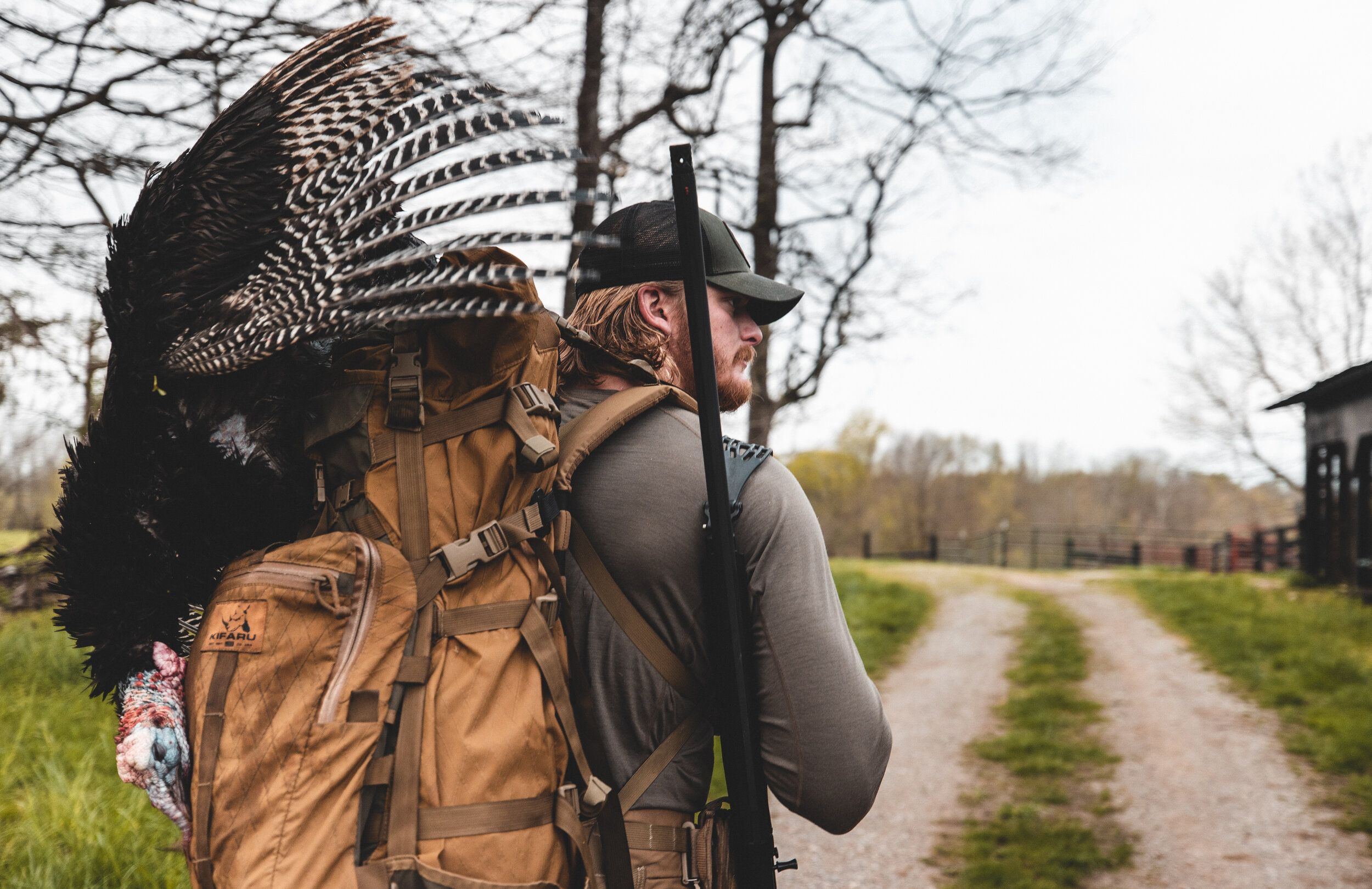
The 6 Best Weather Conditions for Turkey Hunting
The best turkey hunting weather often includes light rain, cloudy skies, gentle winds, and the period following a storm, as these conditions tend to boost turkey activity while lowering hunting pressure. To increase their chances, hunters should adju...Read More
Read More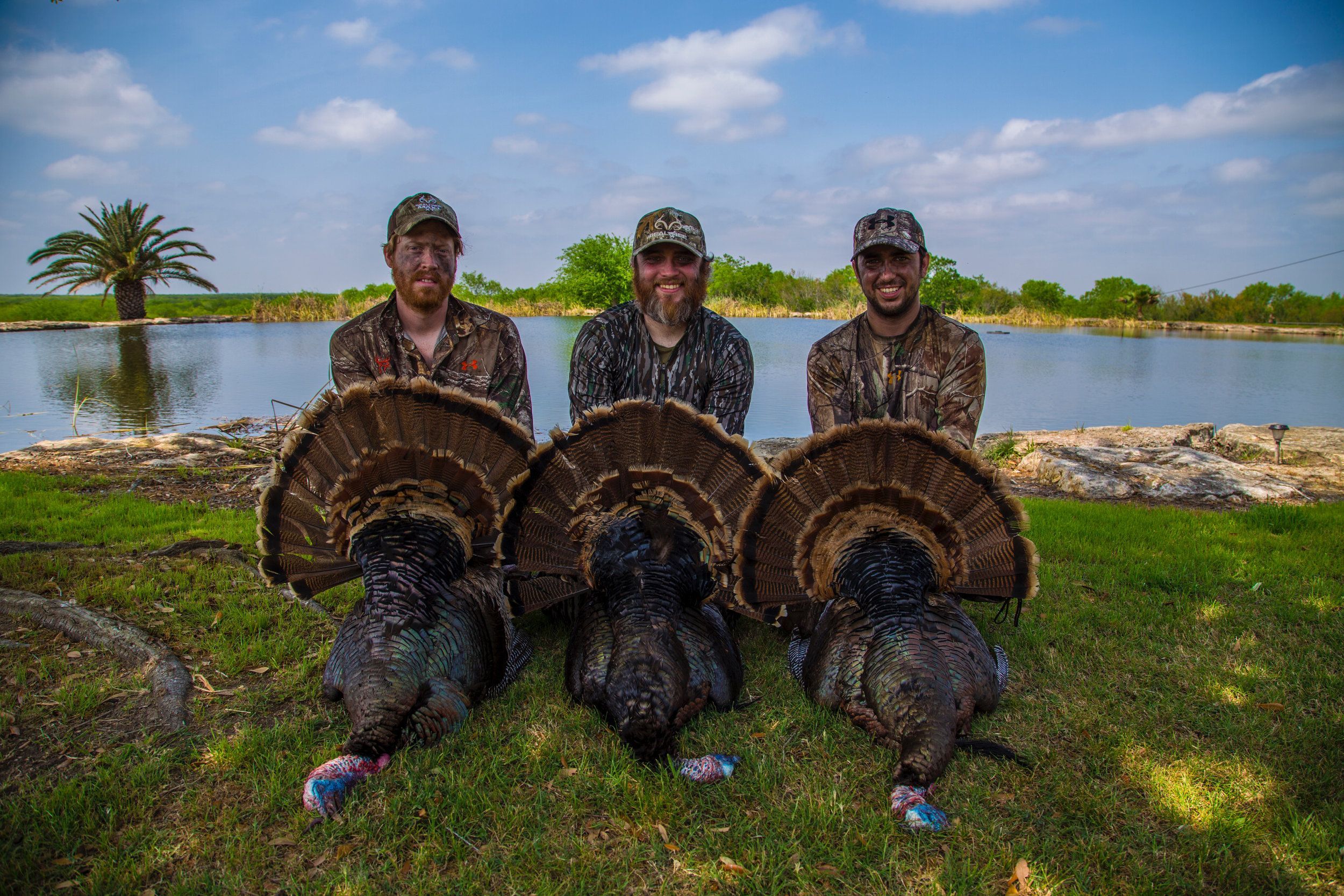
7 Crucial Turkey Hunting Strategies From Jordan of Buck Commander
Whether you are in the South and have already begun your hunt for spring toms, or you are patiently waiting for the end of March or the beginning of April in the Midwest, there is one thing we all have in common – we want to harvest a nice gobbler – ...Read More
Read More
How and Where to Hunt the Merriam Turkey in 2026
Spot-and-stalk hunting in a few of the mountainous western states is your key to successful Merriam turkey hunting!Read More
Read More- Turkey
The 6 Best Weather Conditions for Turkey Hunting
The best turkey hunting weather often includes light rain, cloudy skies, gentle winds, and the period following a storm, as these conditions tend to boost turkey activity while lowering hunting pressure. To increase their chances, hunters should adju...Read More
Read More - Turkey
7 Crucial Turkey Hunting Strategies From Jordan of Buck Commander
Whether you are in the South and have already begun your hunt for spring toms, or you are patiently waiting for the end of March or the beginning of April in the Midwest, there is one thing we all have in common – we want to harvest a nice gobbler – ...Read More
Read More - Turkey
How and Where to Hunt the Merriam Turkey in 2026
Spot-and-stalk hunting in a few of the mountainous western states is your key to successful Merriam turkey hunting!Read More
Read More
1 of 3