Field Guide / Turkey
When is Turkey Season, Wisconsin Hunters?





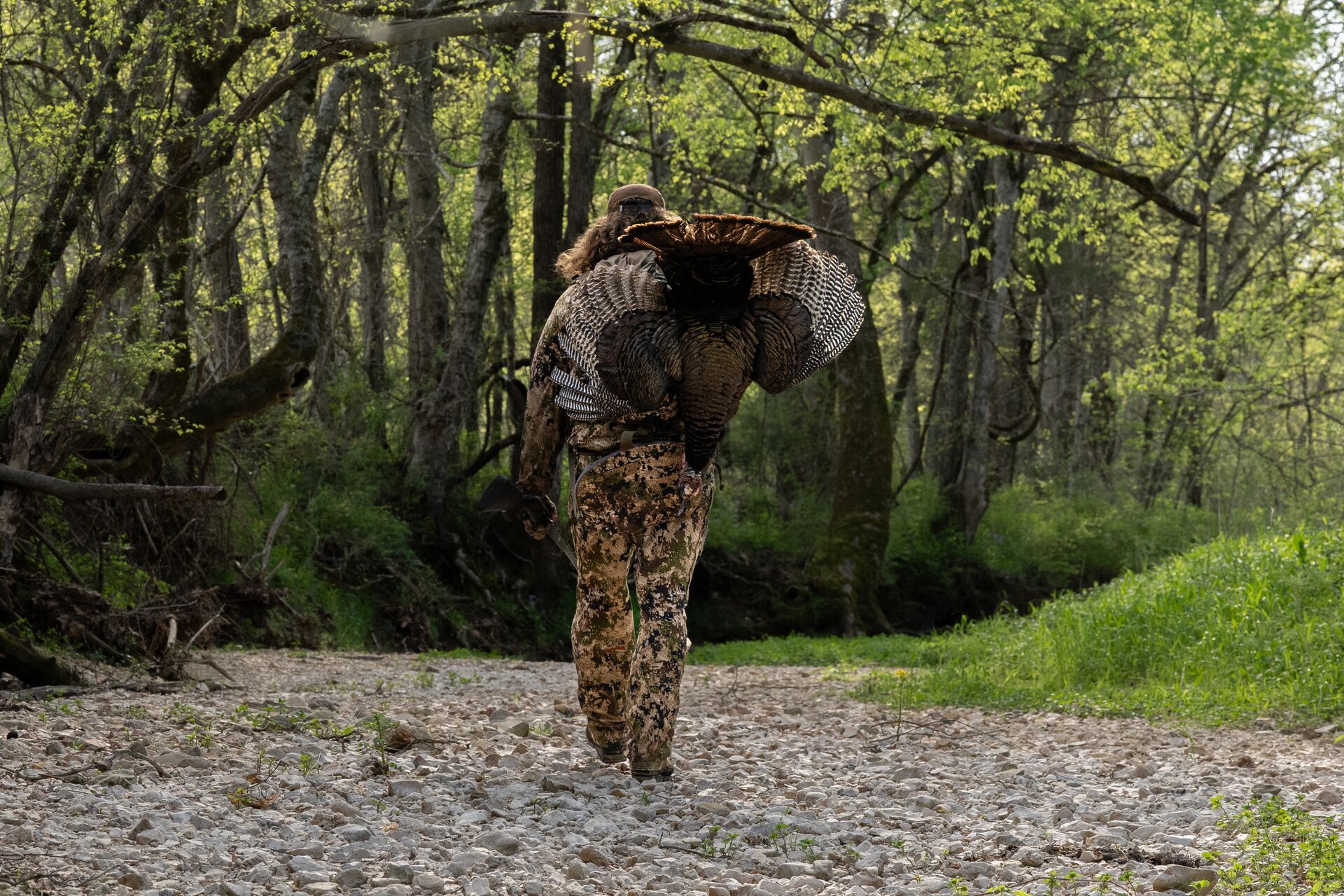
Wisconsin turkey hunters can enjoy dedicated spring and fall seasons in 2026. The spring season runs from mid-April to late May and includes a youth hunt from April 11–12 and six structured, seven-day periods (Period A starts April 15).
The 2026 fall season runs September 12–November 20, with extended hunting in Zones 1–5 from November 21–January 3, 2027. The fall season is statewide and covers all seven turkey management zones.
For turkey season, Wisconsin was once a hidden gem, but it has become a premier turkey-hunting destination. The state's turkey season often boasts high harvest numbers, thanks to stable populations and a diverse, rich landscape.
Today we'll take a deeper look at everything you need to know for your turkey hunt, whether you're targeting a spring session, a fall hunt, or both.
2026 Wisconsin Spring Turkey Season Dates
The spring turkey dates are determined by six distinct periods, from A through F, each lasting seven days. This schedule provides hunters plenty of opportunities to plan accordingly.
Wisconsin Spring Turkey Season Dates | |
Period A: | April 15–21, 2026 |
Period B: | April 22–28, 2026 |
Period C: | April 29–May 5, 2026 |
Period D: | May 6–12, 2026 |
Period E: | May 13–19, 2026 |
Period F: | May 20–26, 2026 |
Youth Hunt Weekend
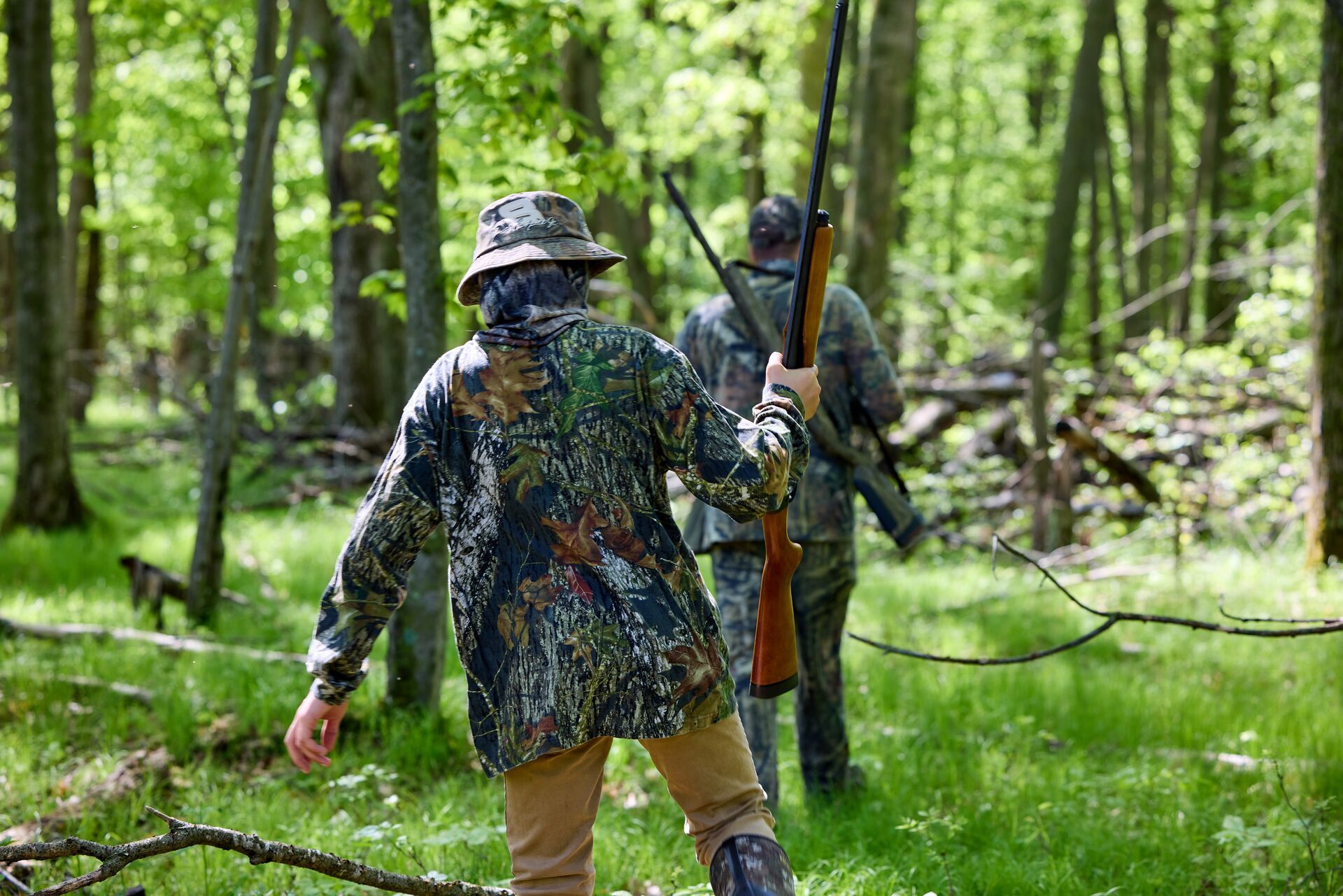
The season kicks off with a youth hunt weekend from April 11–12, 2026. This weekend is reserved for young hunters (age 15 and younger) to learn and be mentored by more senior hunters; mentors must be 18 years or older and appropriately licensed.
The youth hunt weekend is a great way to introduce young family members and friends to the sport, with a focus on safety, ethical hunting, and firearm handling.
Regular Spring Periods
During turkey season, Wisconsin has seven turkey management zones, and when applying for authorization, you'll choose a zone and a hunting period. The turkey hunting zones reflect the diversity of Wisconsin's turkey regions, including agricultural zones, river bottoms, wetlands, and grasslands, as well as slightly elevated and more ridged zones to the west.
The Wisconsin turkey season hunting periods are six-week-long windows.
Openings vary year to year, and dates can change. Always double-check the Wisconsin DNR for the latest updates.
Spring Turkey License & Permit Requirements
Having your licenses, permits, and tags squared away is one less thing to worry about before your hunting period opens. Here's everything you need to remain legally compliant.
What You Need
Any hunter born on or after January 1, 1973, will need hunter education to buy a hunting license. Hunters will require a spring turkey license ($15 for residents and $65 for non-residents), a non-resident turkey stamp ($5.25), and a valid authorization permit. You can manage your licenses and relevant permits via the Wisconsin Go Wild platform.
Application Deadline
Mark December 10 in your calendar. Applications for the spring draw are typically due on that date in the previous year.
Spring Bag Limit
The spring limit is one bearded or male turkey. This limit is per harvest authorization.
Wisconsin Turkey Management Zones
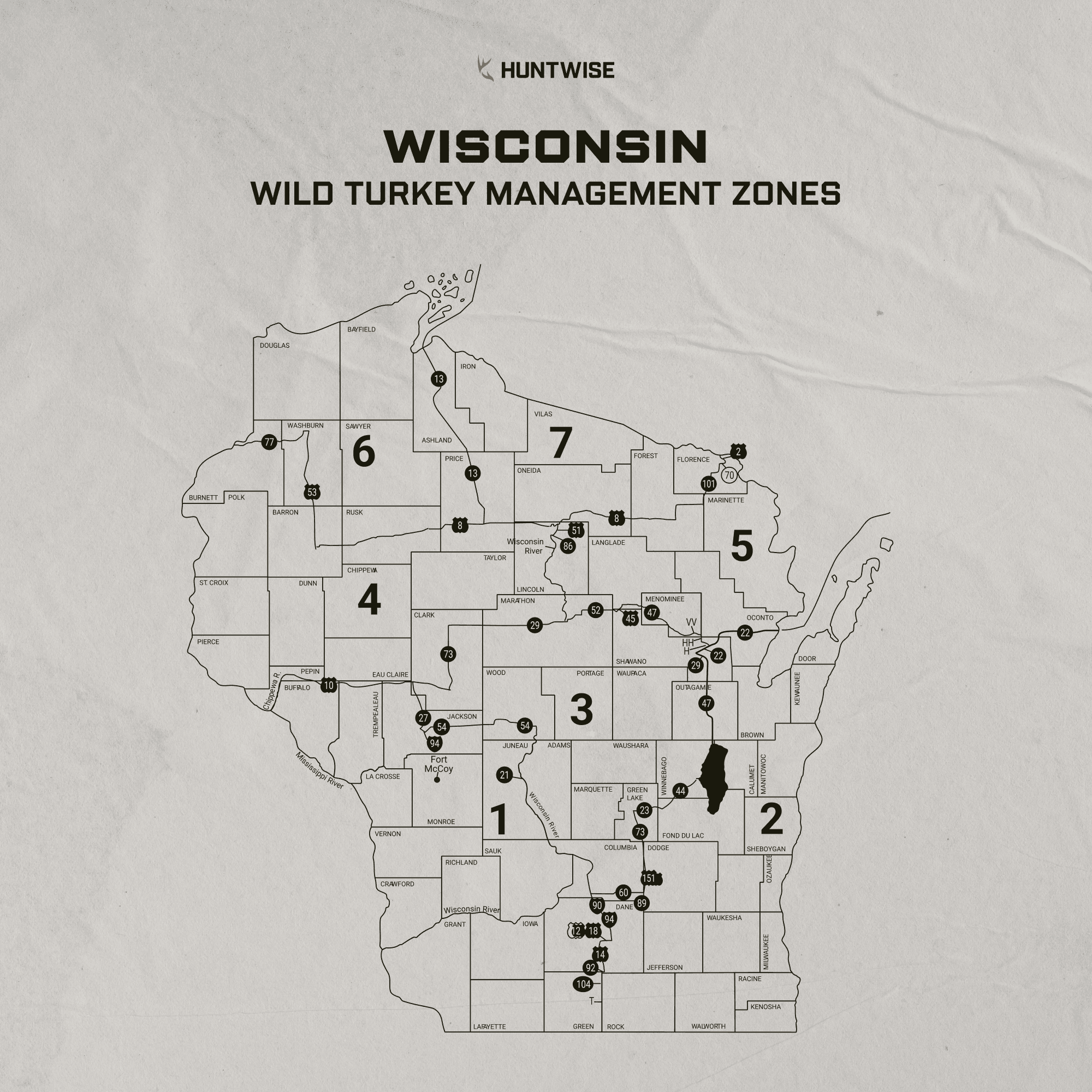
Wisconsin has seven turkey management zones, all of which are open for the spring season. Your authorization is tied to a management zone. Management zones can be quite distinct in terms of natural environment, hunting conditions, and turkey habitat.
It's best to explore your intended zones and conduct an initial e-scout with the HuntWise app to get a feel for the geography, elevation, and terrain variety, and to determine which may best align with your hunting style and experience. Consult the Wisconsin turkey zone map to assist with your season planning.
How the Spring Turkey Season Wisconsin Drawing Works
To apply for a spring hunt, you must enter your preferred zone and period before the December 10 cutoff. Wisconsin uses a preference system, which means if you are not chosen for a hunt, you will receive a point for the following year's draw.
Applicants can select two time-zone combinations. We recommend applying for two, as you will be more likely to draw a tag. Apply for one early season, as these are popular times, and one towards the middle or later to increase your chances of a successful draw.
Bonus authorizations (leftover tags) may also be available. While they may not be in the most desirable locations, they can still offer great opportunities to hunt some less-pressured gobblers.
Check the Wisconsin DNR page for updates and leftover tag sales if you missed out this time around.
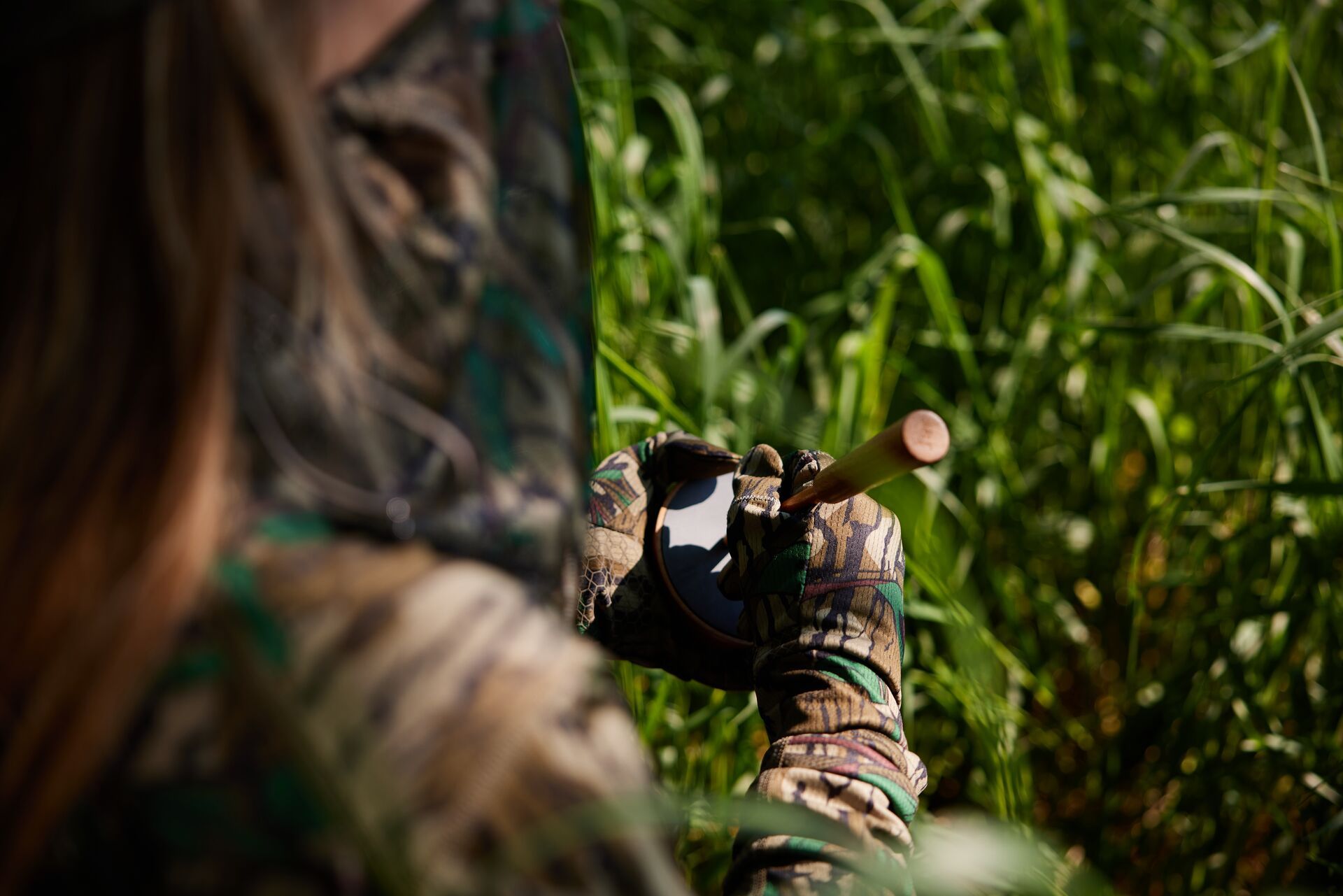
2026 Fall Turkey Season Dates
The fall season is one hunting period: September 12, 2026–January 3, 2027. You will still be limited to a particular zone based on your authorization.
The fall bag limit is one turkey. Unlike the spring bag limit, the harvested turkey may be of either sex.
Fall Hunting Conditions
One of the critical differences between the spring and fall seasons is the variation in bird behavior during mating seasons. In the spring, birds are highly vocal, making them easier to pattern, locate, and call.
Spring vs Fall Wisconsin Turkey Hunting | |
| Spring | Fall |
| Focus on gobblers | Either sex allowed |
| Calling dominant toms | Breaking up flocks |
| One-week time blocks | Long season structure |
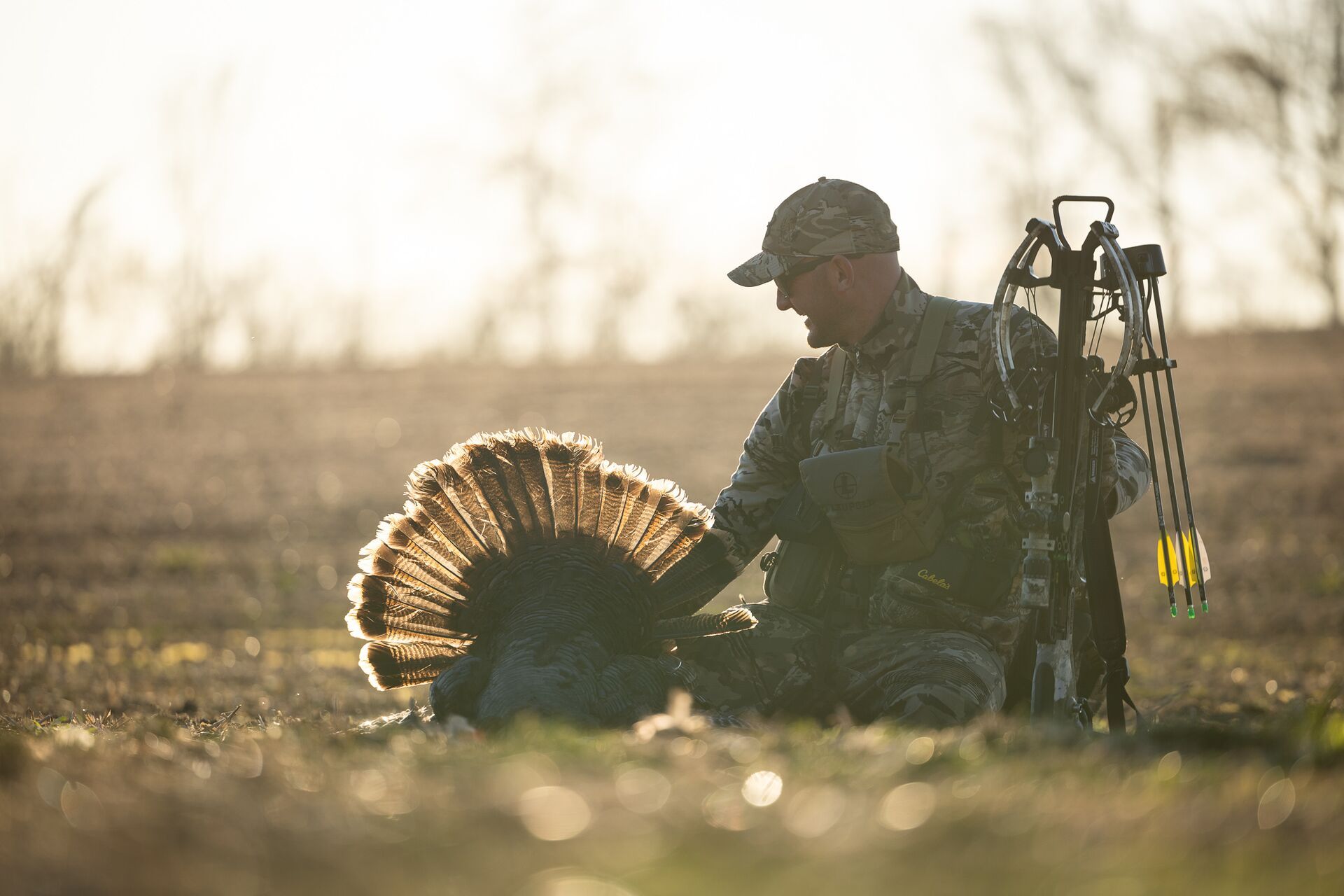
In the fall Wisconsin turkey hunting season, birds flock together and focus on food and nutrition. Calls are less effective, and many hunters will ambush, hunt, or "bust" a group of birds, causing them to scatter, then wait for calls and the group to reform.
Not every state has a fall turkey season, so this is a fantastic opportunity for late-season hunters to have another crack at a gobbler (you may also hunt with dogs during the fall season).
Spring vs. Fall: What's the Difference?
The main differences between the spring and fall seasons are the timing, hunting strategy, and permitted bird types. We've outlined a few insights for each season below, and always double-check the Wisconsin DNR for any updates to Wisconsin turkey hunting regulations.
Pro Tips for 2026 Wisconsin Turkey Hunting Success
Early-season scouting is key to a successful turkey season, Wisconsin hunters. Start with HuntWise's mapping features to target a mix of agricultural fields, hardwood forests, and wetlands. Consider roosting zones as your starting point for a spring hunt to work curious birds with a mix of calls. For in-person scouting, use an early-season snowmelt to your advantage as you seek out tracks, struts, and droppings.
Dawn is when birds are most vocal. If you spot a gobbler during the day, scout with the HuntWise map to mark potential roosting zones, and head to those locations with your calls the following morning; you can also use the HuntCast feature to predict the best times to head into the field. Use ridges, valleys, and natural contours to uncover travel passages.
When getting set up, consider the zone pressure and review last year's harvest records to gauge hunter activity. Popular zones may be harder to hunt as the season progresses and birds become more cautious. You may be able to overcome this by hunting in late, less pressured periods.
Still, this strategy requires in-depth scouting and a willingness to push and pack out (often through dense terrain) to more isolated locations.
Use HuntWise to Scout a Better Wisconsin Turkey Hunting Season
Regulations can change from year to year, and with the Wisconsin zone and season structure, you may end up hunting in unfamiliar territories or at a different stage in the season than what you may be used to. With HuntWise and the HuntCast feature, you'll be able to make the most of your limited hunting window by knowing exactly when to head out to chase gobblers.
Whether you need to hunt the cool evening window during late season or are targeting the early season green-up, HuntCast will point you in the right direction in the 2026 Wisconsin turkey hunting season.
Don't have HuntWise yet? Download it and try HuntWise Pro and Elite features free for 7 days!
Previous in Turkey
More Content Like This
When Is Turkey Season, AR Hunters?
With 3 million public acres of land and Spring in full swing, hunters across Arkansas are gearing up for the turkey season.Read More
Read More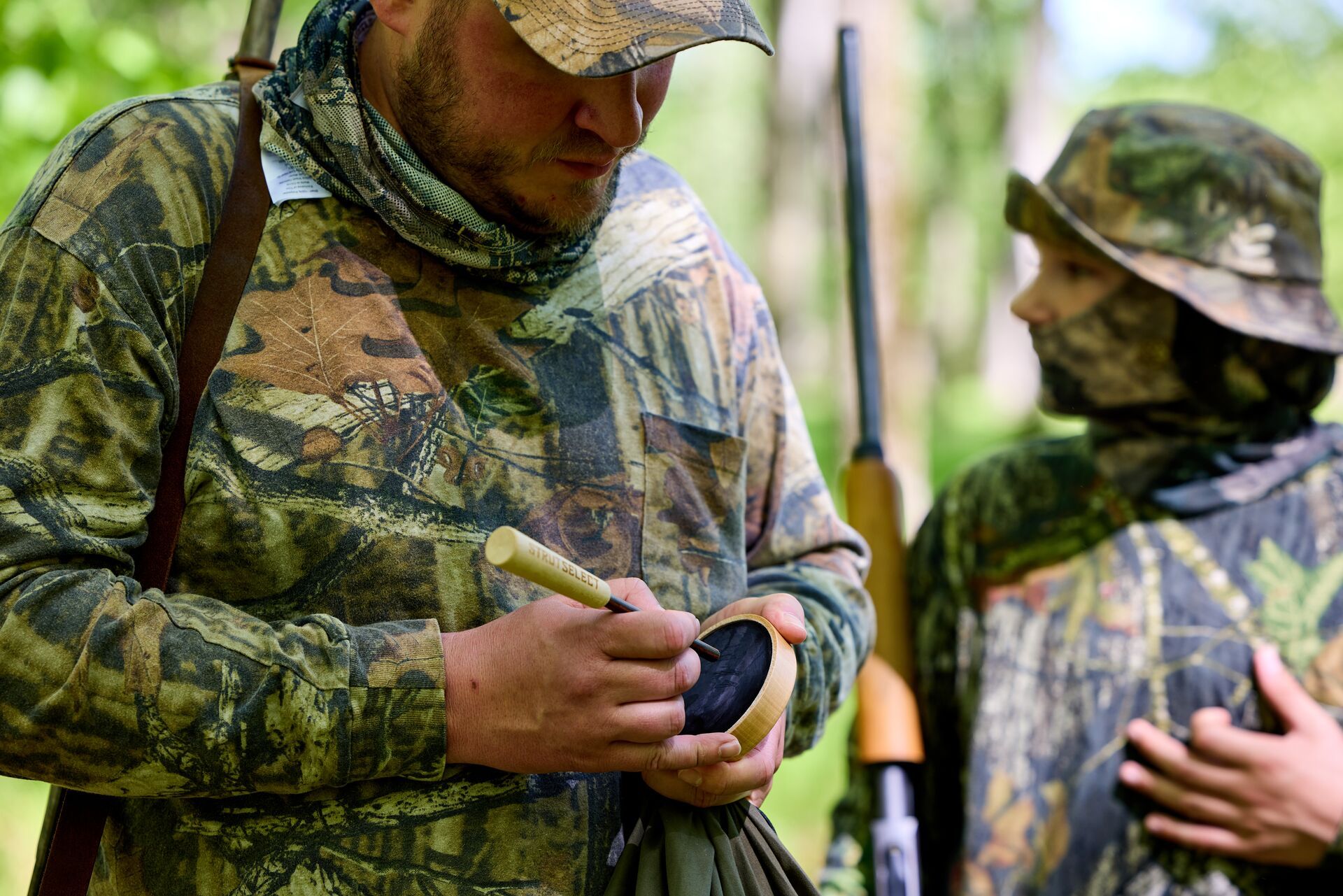
Best Turkey Hunting Gear for 2026 Hunts
With Spring just around the corner, it's time for a complete kit review of all your turkey hunting gear. Whether you're looking to upgrade your kit or determined to make 2026 the year of more turkey hunts, you'll need the right equipment to get in th...Read More
Read More
Turkey Talk: Osceola, Merriam's, and Heritage Turkey
While the Eastern turkey may be the most famous, true turkey hunters know that the variety of types and the unique blend of challenges and rewards of each breed make turkey hunting one of the most exciting and respected cultural traditions in the U.S...Read More
Read More- Turkey
When Is Turkey Season, AR Hunters?
With 3 million public acres of land and Spring in full swing, hunters across Arkansas are gearing up for the turkey season.Read More
Read More - Turkey
Best Turkey Hunting Gear for 2026 Hunts
With Spring just around the corner, it's time for a complete kit review of all your turkey hunting gear. Whether you're looking to upgrade your kit or determined to make 2026 the year of more turkey hunts, you'll need the right equipment to get in th...Read More
Read More - Turkey
Turkey Talk: Osceola, Merriam's, and Heritage Turkey
While the Eastern turkey may be the most famous, true turkey hunters know that the variety of types and the unique blend of challenges and rewards of each breed make turkey hunting one of the most exciting and respected cultural traditions in the U.S...Read More
Read More
1 of 3