Field Guide / Small Game
How to Use Live Animal Traps





If you're interested in trapping, live animal traps may be the best way to get started. You can set these manageable traps along easily identifiable travel routes and water access points, and you can be selective about the species you take (though make sure to check the traps regularly).
Live traps are ideal for capturing smaller nest predators, such as raccoons, opossums, squirrels, foxes, and skunks. As you develop your skills, you can easily branch out into other trapping methods or even go a bit bigger with live pig traps and other larger live-trapping designs.
We're going to break down everything you need to know about live traps (including usage and bait best practices) to give you the confidence to start practicing and enjoying this pursuit.
Before You Start Using Live Animal Traps
Here are a few insights to think through before setting your first trap!
Keep the species in mind: trapping requires specific trap sizes, baits, and methods for different animals. Always check your local Department of Natural Resources website for trapping regulations, as these vary by location and species.
Next, consider size. If the trap is too small, you risk stressing the animal. If it's too large, it won't trigger properly.
Some species prefer fresh meat as the best bait for live trap, while others have a real sweet tooth. Every trapper has their own secret bait they stand by, and opinions differ on what works well. Experiment to learn what attracts different animals.
Generally, raccoons go for sweet bait such as marshmallows, strawberries, and sweet breads or honey buns. Squirrels and chipmunks prefer more natural flavors, such as nuts, sunflower seeds, and peanut butter, on a small plate. Rabbits enjoy apple slices, carrot pieces, and Brussels sprouts, and opossums go for canned tuna, sardines, or wet cat food.
When you start exploring potential trapping zones, target flat, level surfaces in shade near animal activity. Garden edges, under decks, and along fence lines all work well as a starting point. If you're ready to start exploring potential trapping runs or mark where you've laid traps, open the HuntWise app to access the mapping feature.
Always handle bait and live animal traps with trapping gloves to reduce scent contamination. When you get a new trap, boil and wax it with odor-free gloves and remove any lingering oils or scents. Following best practices for scent management will go a long way in trapping success.
Finally, secure your trap with a small stake or a rock on top to prevent it from tipping.
How To Use Live Animal Traps (Step-by-Step)
Let's dive into how to use a live trap.
1. Test The Trap
Before you start, set or arm the door (depending on the style of the trap) to test that it triggers smoothly and efficiently. Most traps feature 1–2 door designs, with a pan or plate that activates when the door is tripped and closes.
2. Place Your Bait in the Right Spot
After a test run, place your bait beyond the trigger plate, deep inside the trap. This placement will allow an animal to fully enter the trap before triggering the plate.
3. Choose The Right Location
The trap should ideally face the animal's travel path. Consider the animal's movement patterns, its eyeline, the wind, and the time of day.
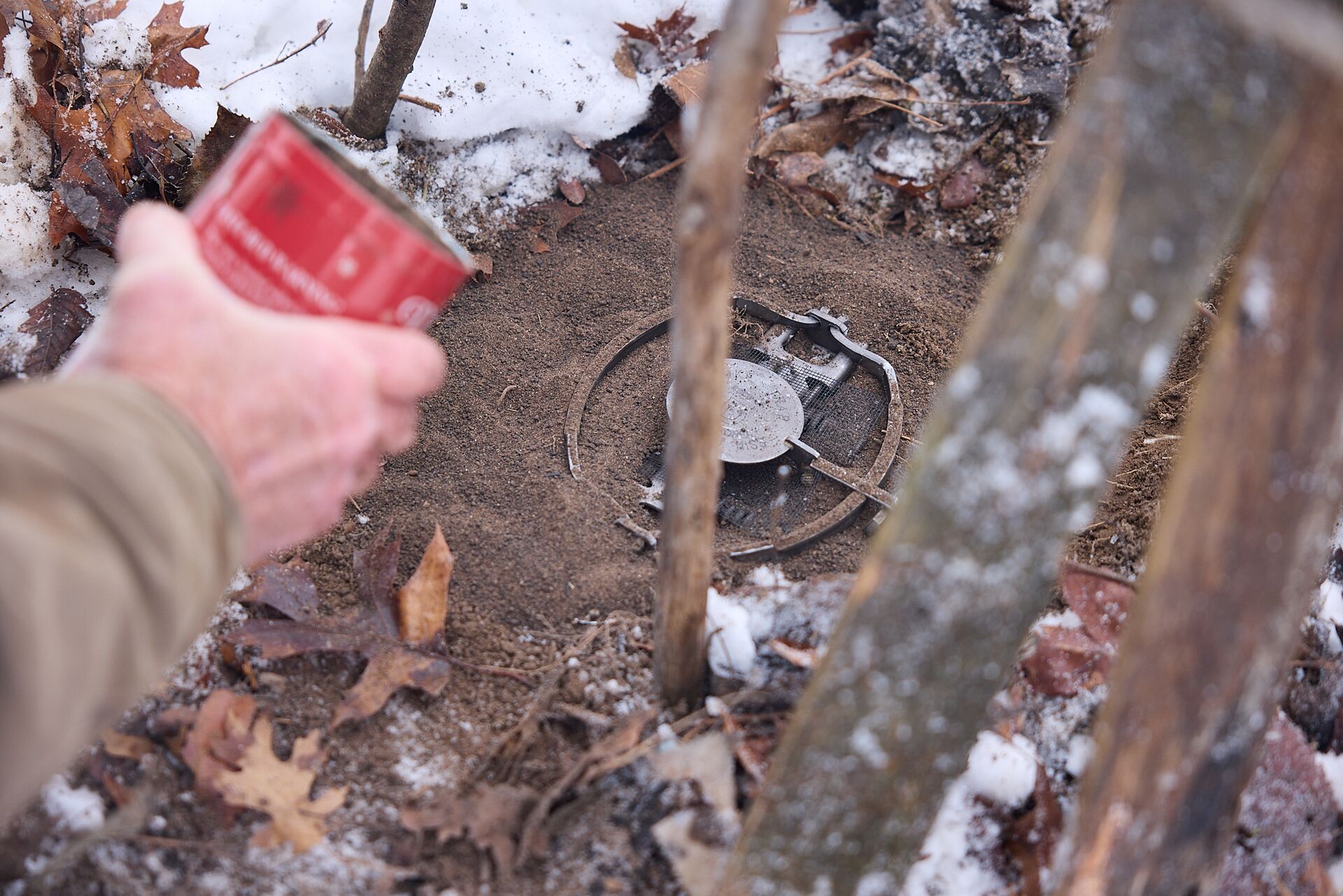
4. Use Natural Camouflage
While you won't need to hide a trap entirely, you can add a bit of realistic camouflage with natural elements such as dirt, soil, and leaves. Make sure the entrance to the trap is unobstructed.
5. Check Traps Frequently
Check your traps frequently to ensure you're humanely capturing animals. Keep a couple of towels or blankets handy to cover the trap when an animal is inside so it remains calm.
Where Do You Put The Bait in a Live Trap?
Place bait deep in the trap, beyond the trigger plate, to ensure the animal fully reaches it and to provide a clean trigger on the device. For messier bait such as peanut butter or cat food, use a small dish or smear bait on a platform inside the trap.
If you place your bait too close to the entrance, animals are more likely to grab it and run without fully entering and setting off the mechanism. If you're concerned about drawing animals in completely, you can create a trail of bait leading to the trap's entrance.
What Animals Can You Trap?
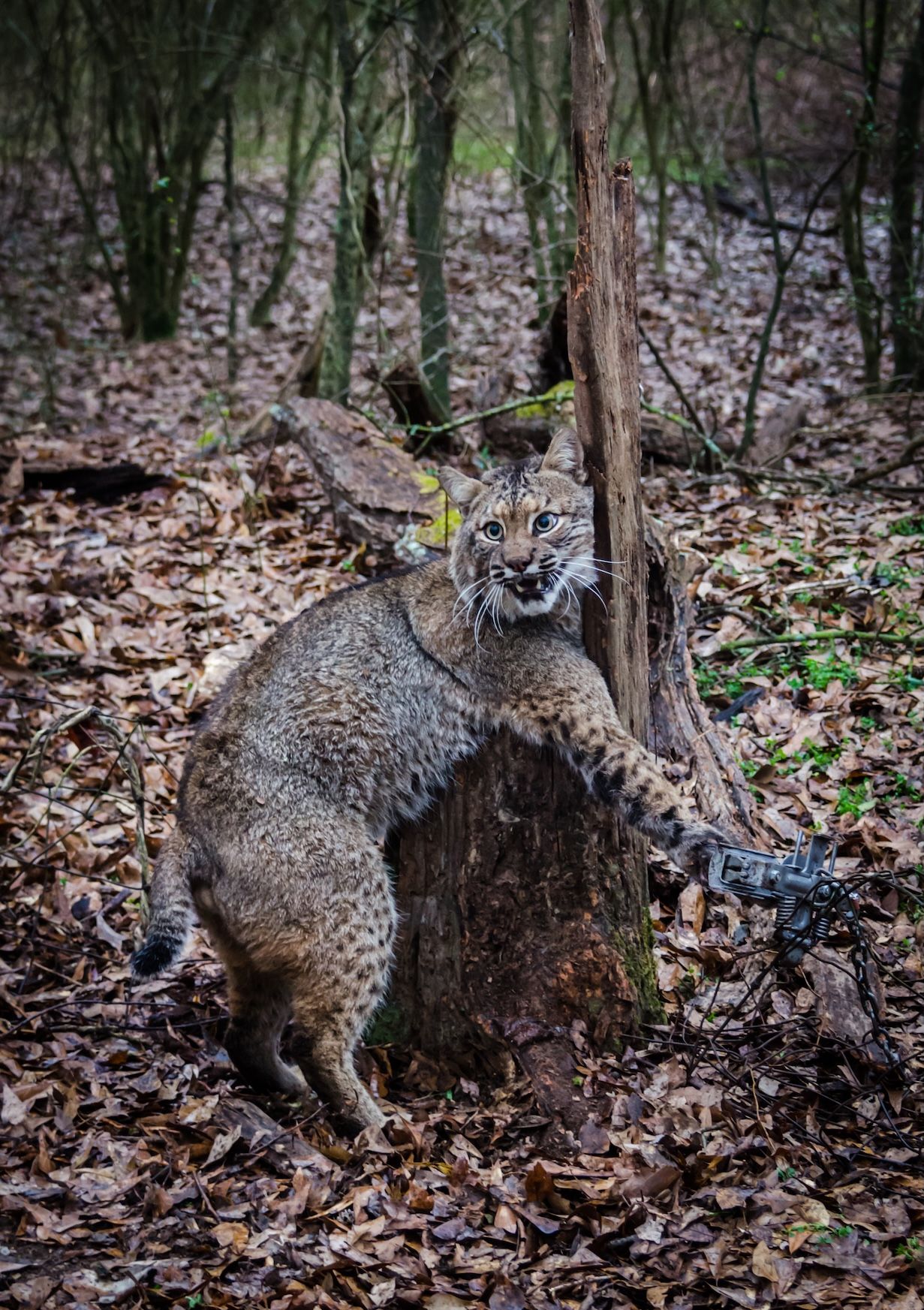
Common live trap species include raccoons, squirrels, chipmunks, rabbits, opossums, skunks, groundhogs, nutria (regionally), and other small-to-medium animals.
Verify which species are legal to trap and what you may legally do with them in your area. For example, in Florida, only live traps are permitted. Take special caution with birds, bats, and threatened or endangered species, as many are federally and state-protected.
How Long Can You Leave an Animal in a Live Trap?
Checking your live animal traps frequently is essential to minimize animal suffering and release non-target species. As a best practice, check traps at least every 4–6 hours during daylight, though this may vary by species and the rules of your local wildlife department. I recommend checking traps before and after work.
Always increase trap-check frequency during periods of intense weather, and never leave animals overnight. Pay special attention to any young, injured, or heavily pregnant animals that need immediate attention.
How Do You Get an Animal out of a Live Trap?
Never lay a trap without first considering how you will get the animal out.
Having a legal release location can help take the guesswork out of trapping and minimize stress on the animal. You can also mark release locations in the HuntWise app.
Make sure your gear includes gloves, a towel, and a vehicle if relocation is allowed. Move slowly and calmly with the towel ready to cover the trap to reduce panic and vocalization. When you're ready to release the animal, open the trap away from you and stand to the side of the animal, not behind it.
Monitor the animal's condition. If it appears injured, contact a licensed wildlife rehabilitator or animal control. Never attempt to handle injured wildlife yourself.
Always go from a trap to a release. Don't attempt to transfer the animal to another location; it adds unnecessary risk and stress.
Trapping Tips and Best Practices
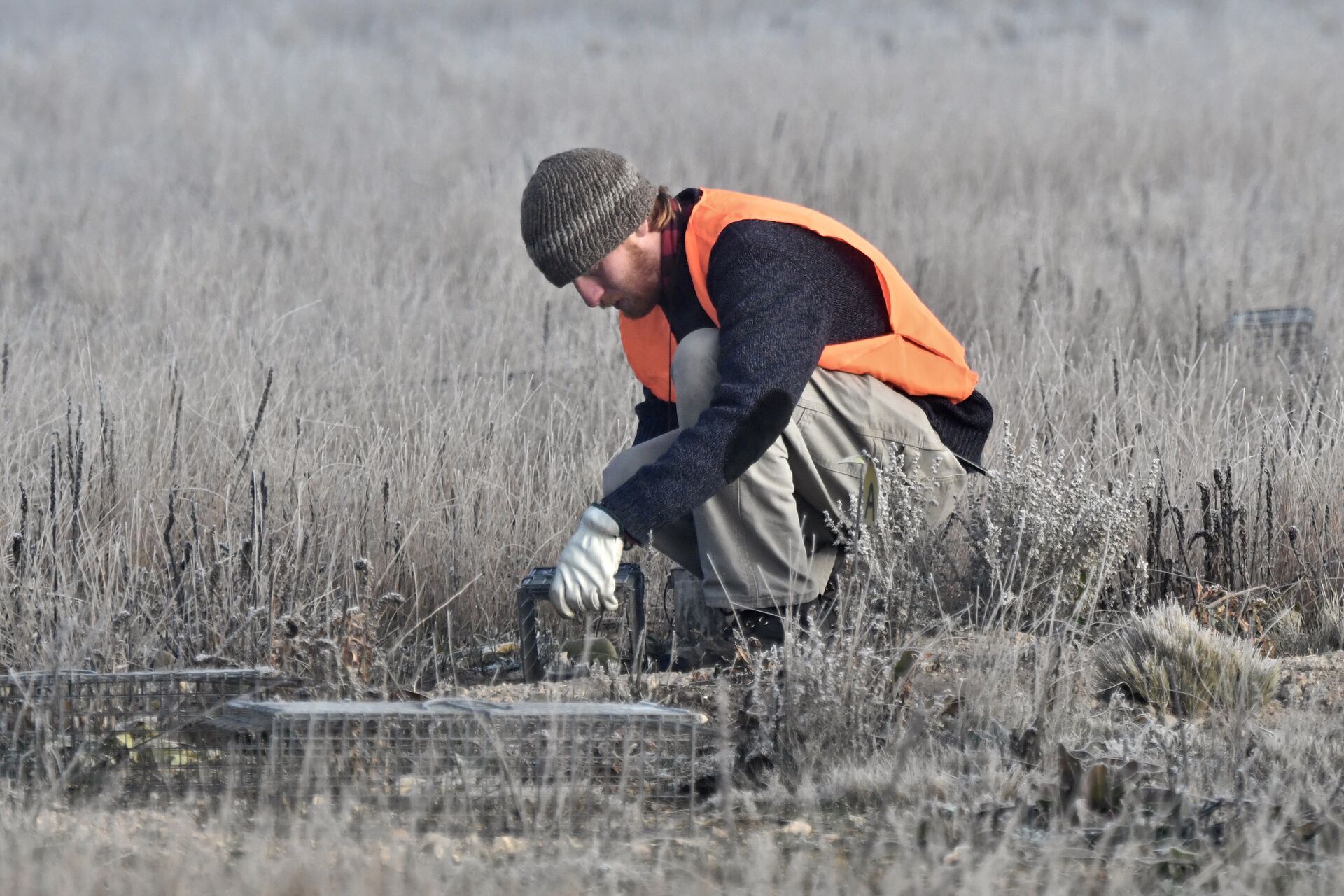
Outdoor trapping requires extensive research and preparation. Always read and follow the trap manufacturer's instructions, and check your local Department of Natural Resources for relevant legislation, trapping tips, and licensing requirements to ensure full legal compliance.
When choosing a trap, opt for an appropriately sized single-catch live trap for your target species. Choose humane animal traps, and avoid lethal or foothold devices. If you're new to trapping, start developing the fundamental skill of bushcraft by looking for signs of natural movement, such as tracks, droppings, chewed plants, and runways, noting them as high-potential trapping markers.
When it comes to baiting, less is more, as over-baiting can seem suspicious and unnatural. Fresh bait is generally best, especially when using meat.
Trapping location and maintenance also require an ongoing consideration of weather patterns and predator movement. Keep the trap in the shade, away from public foot traffic, and monitor the HuntWise weather insights through the HuntCast feature to stay on top of any incoming weather patterns that may affect animal health or behavior.
When relocating, avoid transferring the animal long distances. Crossing county and state borders to relocate trapped animals is typically prohibited due to disease and survival concerns, so double-check relocation requirements with wildlife control or a licensed rehabilitator. Keeping a running document of your trapping history (including times checked, baits, release dates, and photos) is helpful, especially when you need to report to authorities.
Final Safety and Legal Reminders
It's crucial to put safety first and follow the rules when using live animal traps.
Get thick gloves and never handle wildlife without protection and training. Bites and scratches can transmit disease and pose an infection risk.
For any questions about trapping laws or safety, contact your local animal control or state wildlife agency, or a licensed wildlife rehabilitator.
Set Your Live Animal Traps in the Best Spots With HuntWise
Being a responsible live trapper means keeping up to date with regulations, checking traps regularly, and treating animals ethically. You also need to know the best spots to set your traps so they capture the animals you're after!
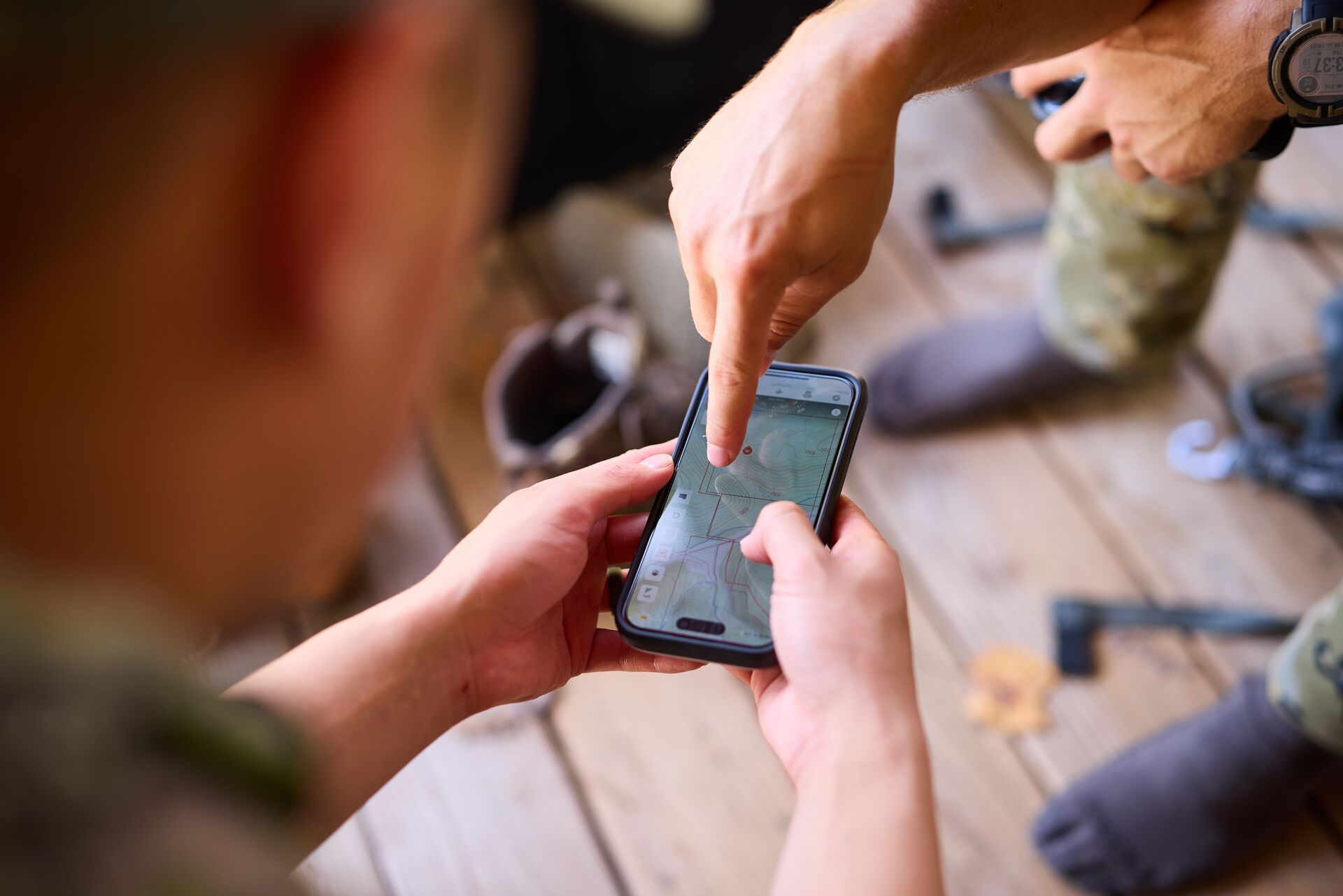
To become a more effective and humane trapper, download the HuntWise app. You'll be able to mark GPS locations of potential trapping zones, know the precise location of private land, track weather patterns, learn from hunting pros, and make the trapping process smooth, safe, and fun.
Download HuntWise and use it free for a week to set live animal traps in the best locations!
Previous in Small Game
More Content Like This
5 Tips for Summer Squirrel Hunting Success
Hunting squirrels in the summer can be incredibly frustrating due to the heat, bugs, and all the cover, making it easy for squirrels to hide in treetops. However, it can be a lot of fun, too. Read More
Read More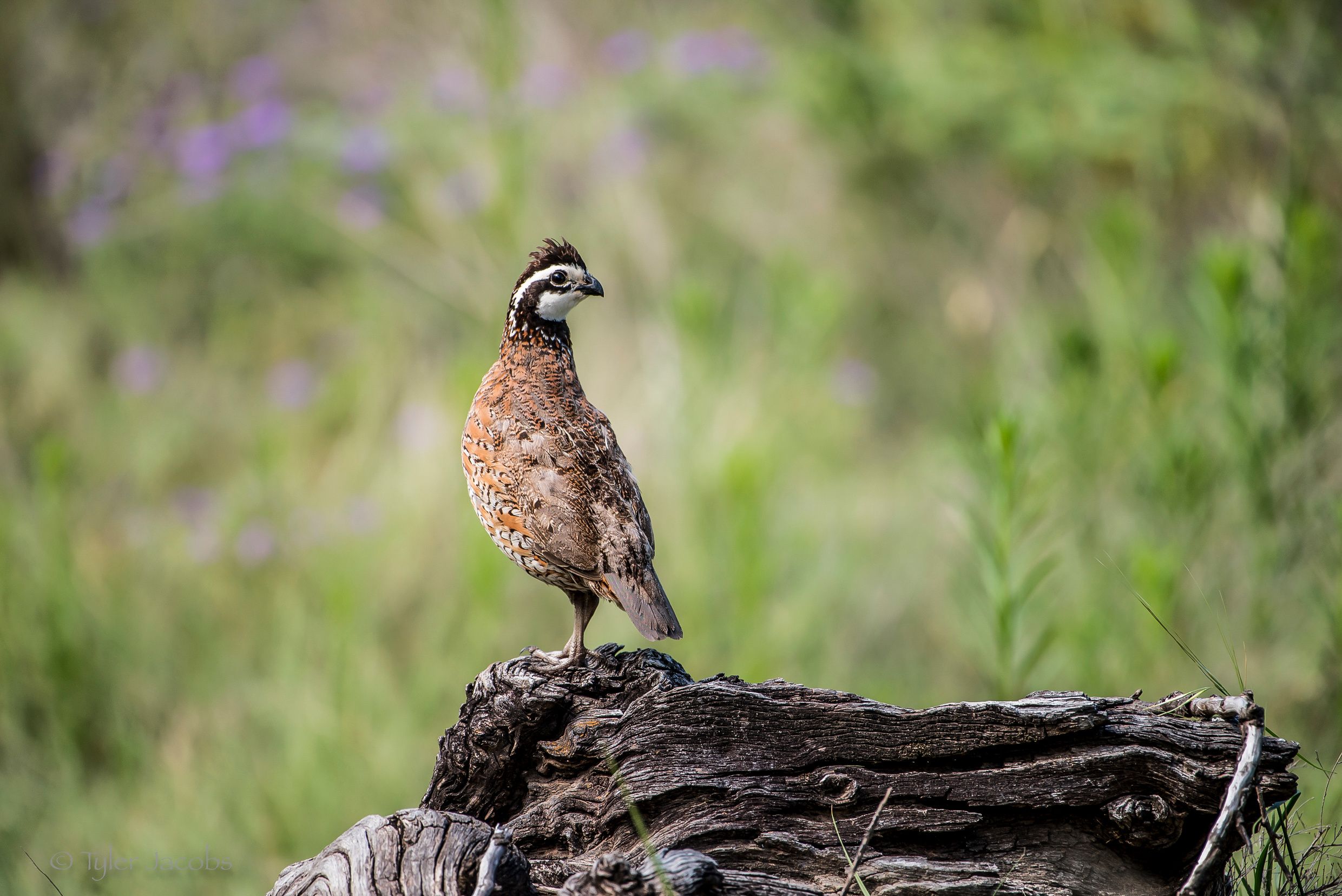
Calling Quail: Mastering the Coo and Other Calls
One of my favorite sounds of a cold, crisp morning in the field isn’t my boots crunching on the still frozen grass glistening in the rising sun or the panting of an energetic and eager hunting dog. It's that unmistakable two-note call whistle from a ...Read More
Read More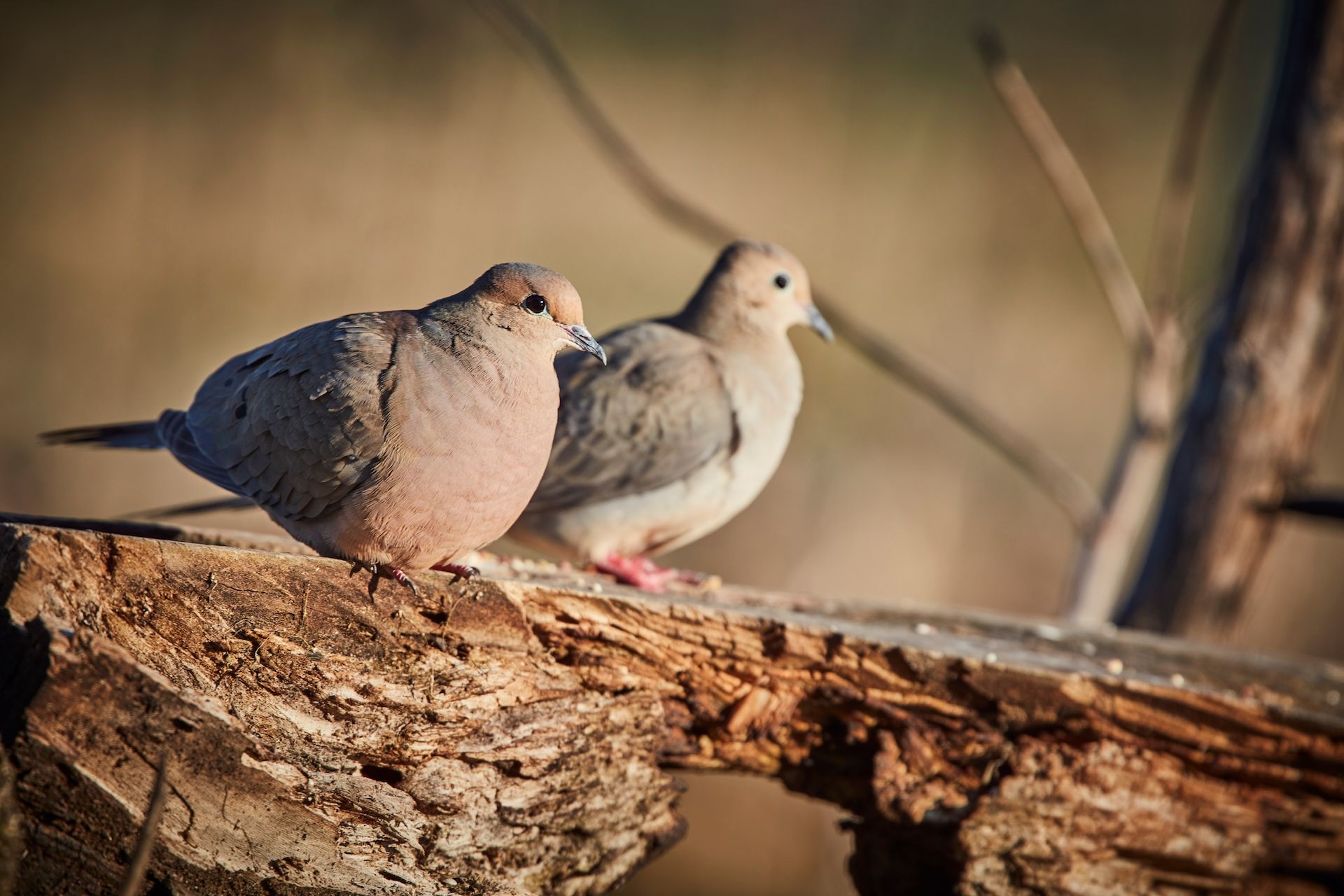
When Does Dove Hunting Season Start? [State by State Guide]
The enthusiasm and sense of community North American dove hunters share are hard to match. For many, the dove season is among the most anticipated openers in the hunting catalog, and it's time to start planning. Read More
Read More- Small Game
5 Tips for Summer Squirrel Hunting Success
Hunting squirrels in the summer can be incredibly frustrating due to the heat, bugs, and all the cover, making it easy for squirrels to hide in treetops. However, it can be a lot of fun, too. Read More
Read More - Small Game
Calling Quail: Mastering the Coo and Other Calls
One of my favorite sounds of a cold, crisp morning in the field isn’t my boots crunching on the still frozen grass glistening in the rising sun or the panting of an energetic and eager hunting dog. It's that unmistakable two-note call whistle from a ...Read More
Read More - Small Game
When Does Dove Hunting Season Start? [State by State Guide]
The enthusiasm and sense of community North American dove hunters share are hard to match. For many, the dove season is among the most anticipated openers in the hunting catalog, and it's time to start planning. Read More
Read More
1 of 3