Field Guide / Small Game
How to Start Trapping: 11 Tips for Beginners
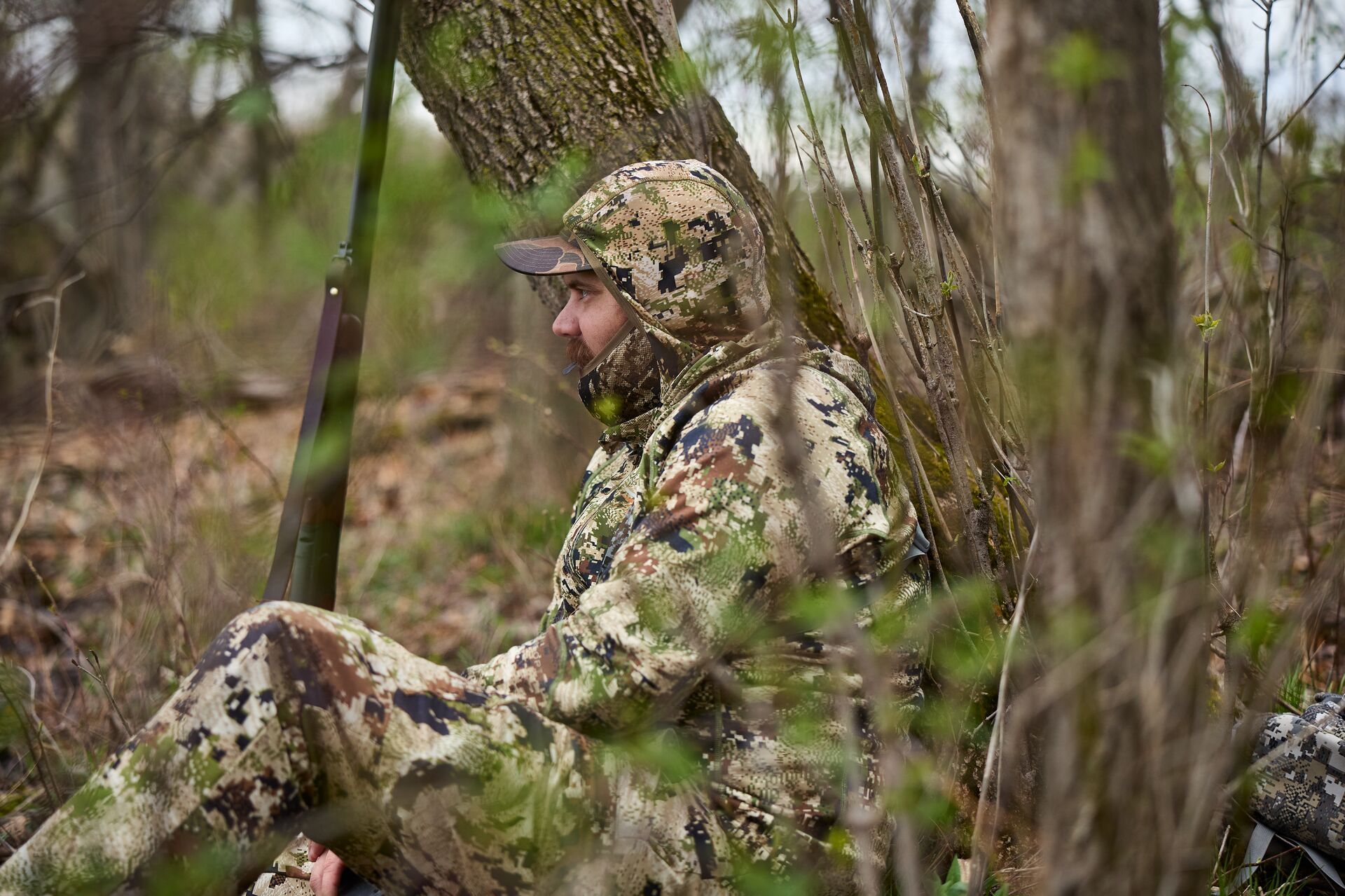





Running traplines is one of the best ways to build outdoor skills, deepen your understanding of animal behavior, and stay busy during the long, bitterly cold winter months. Getting started with the right insights can help you find success faster, and we're here to help.
While some may regard animal trapping as a relic of the past, the practice is alive and well across North American hunting zones, playing a critical role in conservation, land management, and recreation.
Want to know how to start trapping? With these 11 pro insights, you'll learn everything from using the right traps to ethical considerations, helping you kickstart your trapping journey.
11 Tips For How To Start Trapping
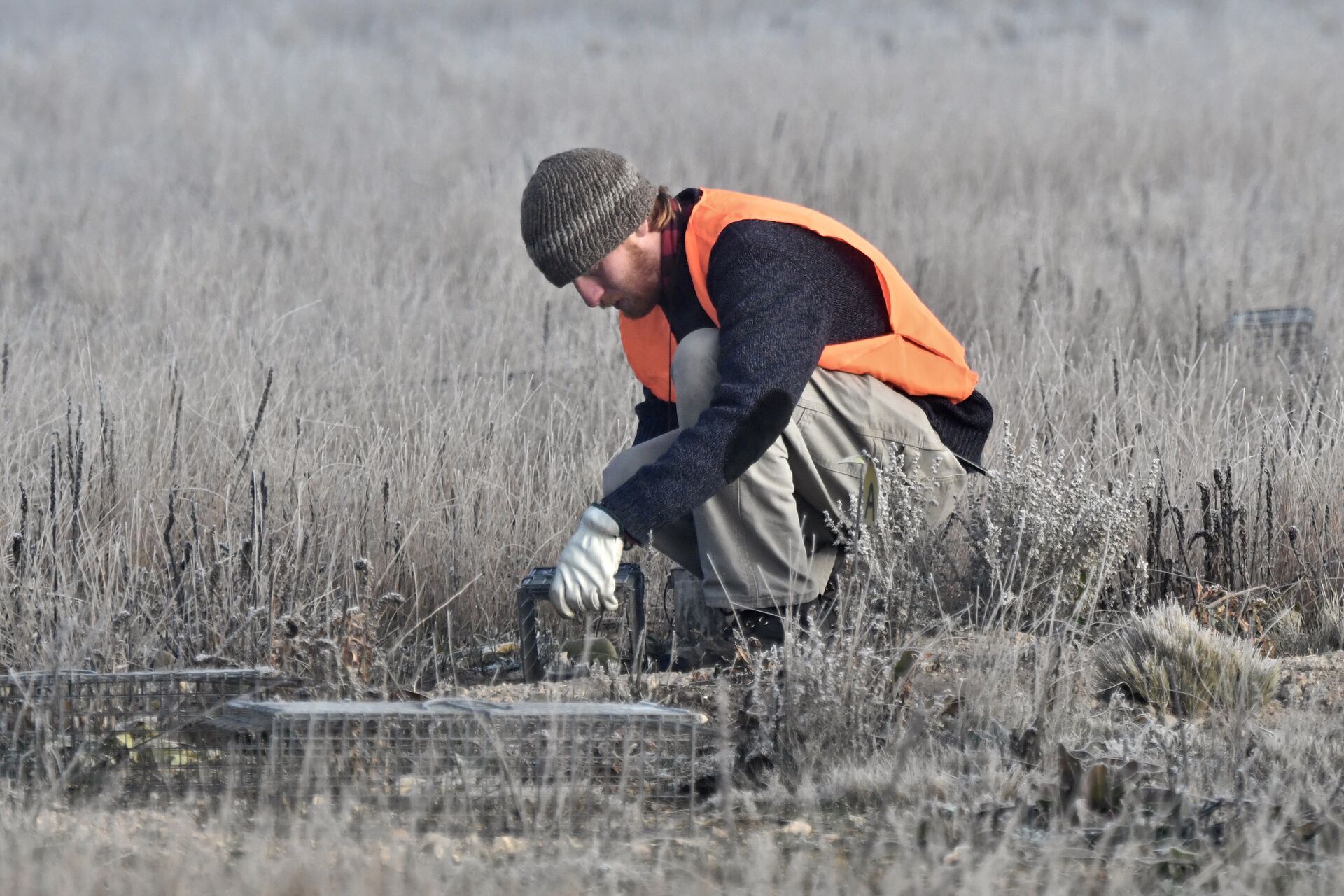
If you're new to trapping, taking note of trapping equipment and tips on setting traps can help you get started and catch some animals. While nothing can beat getting out there and learning from experience, these eleven trapping tips will help you build foundational knowledge.
1. Choose The Right Traps
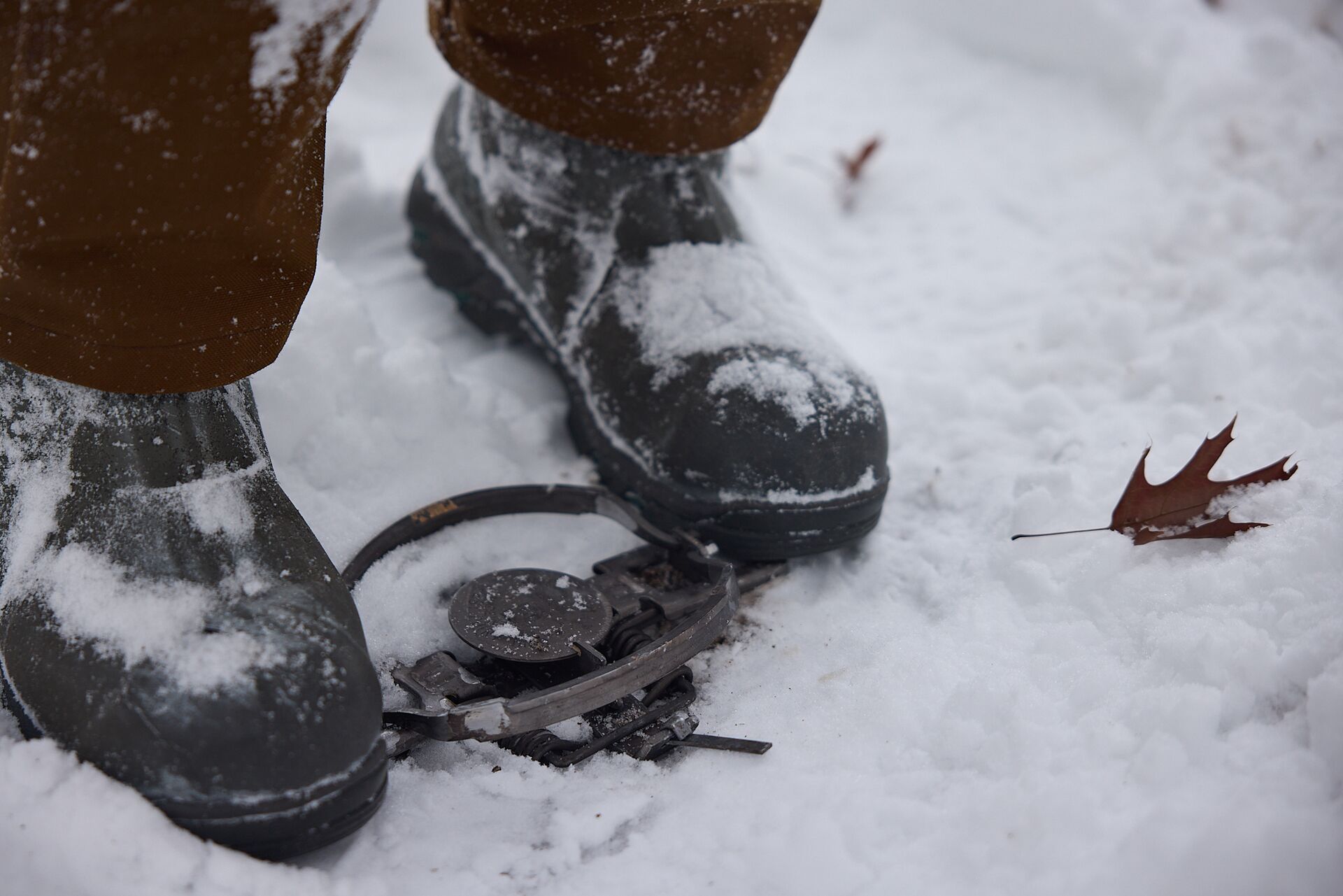
Each trap type will have a different construction, size, and laying method. Choosing the right trap will lead to better outcomes, and doing so is often a legal requirement and an essential component of ethical hunting. Start by checking with your state's Department of Natural Resources to see whether there are any trap regulations in place.
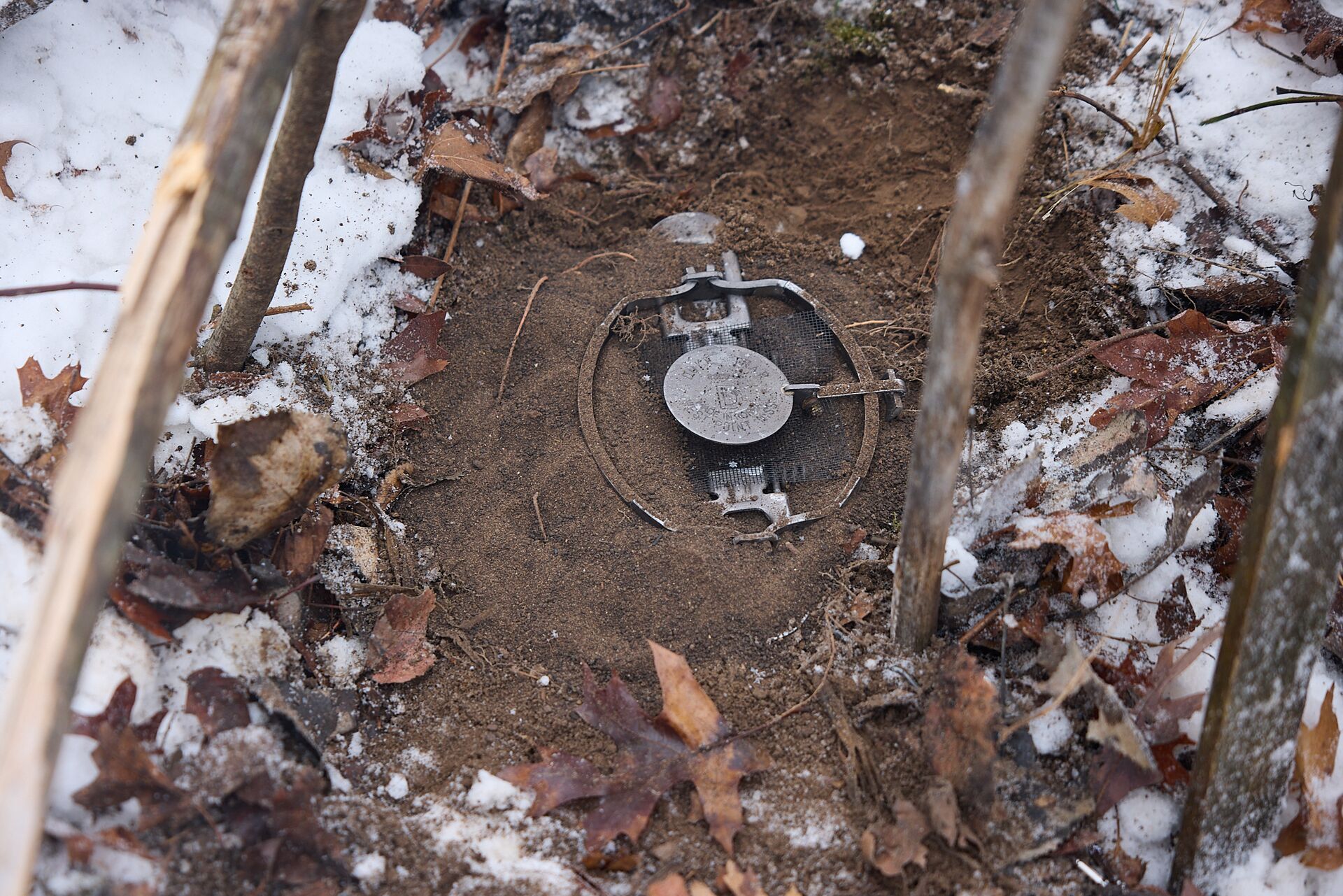
The foothold trap is a simple design that catches and holds the target animal with the option to release. These traps are suitable for a range of animals, including beavers, foxes, and coyotes. It's essential that you choose the right size for your target animal or risk complete misses or toe catches.
Body grip traps (also known as Conibear traps) use a jaw mechanism to put pressure on an animal's neck. The trap is deadly, so place it away from urbanized areas to minimize risks to pets. Conibear traps vary in size, making them a practical option for a range of trappable species, including mink, weasels, beavers, and otters.
Cage traps, sometimes known as life or box traps, are designed to trap the target species without causing harm. Trappers typically place bait in the cage behind a metal trip plate that, when activated, opens a spring-activated door. These traps have practical applications for relocating species or targeting large animals, such as wild hogs.
2. Keep Everything Clean (i.e., Scent-Free)
Remaining scent-free is often overlooked but necessary for trapping. Human scent on traps, tools, and designated trapping areas will trigger alarms for coyotes, foxes, and other species with highly developed senses of smell. Before you start touching any trapping gear, put on a pair of neutral gloves and set aside a special scent-free container to store them in.
New traps are often treated and carry the factory scent, including smells from human handling. Boil and wax the traps before use; a spray of commercial scent-killer can't hurt (ask at your local outfitter).
Finally, opt for clean, scent-free clothing and avoid strong detergents, soaps, shampoos, and additional strong-smelling products leading up to your trap laying.
3. Keep Your Gear in Good Working Condition
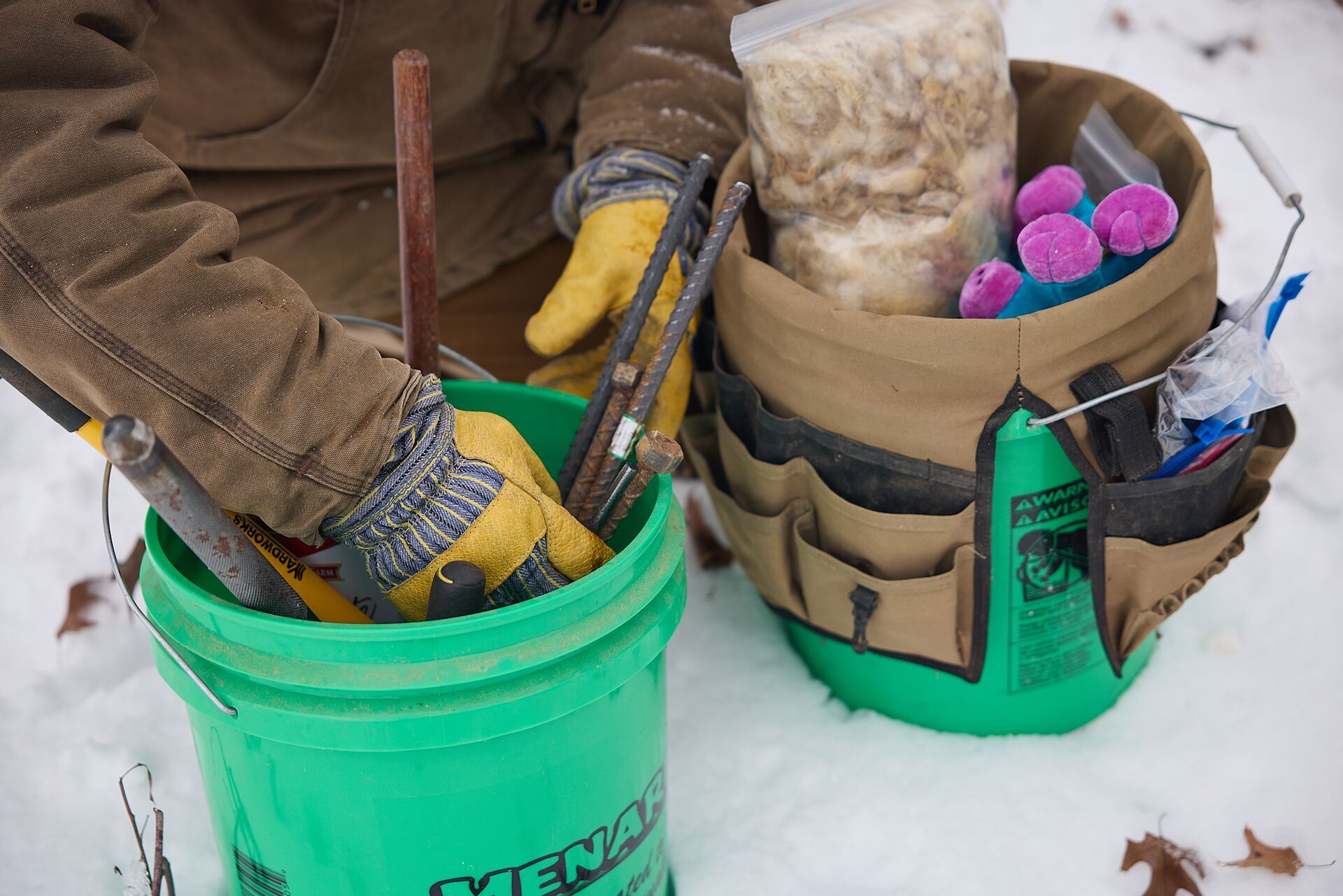
Traps have several moving parts that are sensitive to moisture, inclement weather, and plenty of false triggers. Maintain them by regularly checking springs, chains, and swivels for wear, and inspect them for pitting or deep rust after heavy use.
While each state has its own regulations regarding checking traps, we recommend checking traps in the morning and evening whenever possible. It is best to head out before and after work.
4. Consider Snares
Snares are easy to carry and have the added benefit of allowing you to place several around different runs and fencelines. They're affordable, offering a great way to develop the basics of trapping on a budget. Snares work similarly to body-grip traps; they catch animals around the neck or body as they pass through.
Snares are effective for a wide range of species, including foxes, wolves, and smaller animals such as rabbits. Hang the snare in a loop across a trail or a hole under a fence where an animal is likely to pass, ideally attached to something with a slight degree of flexibility.
5. Master the Dirt Hole
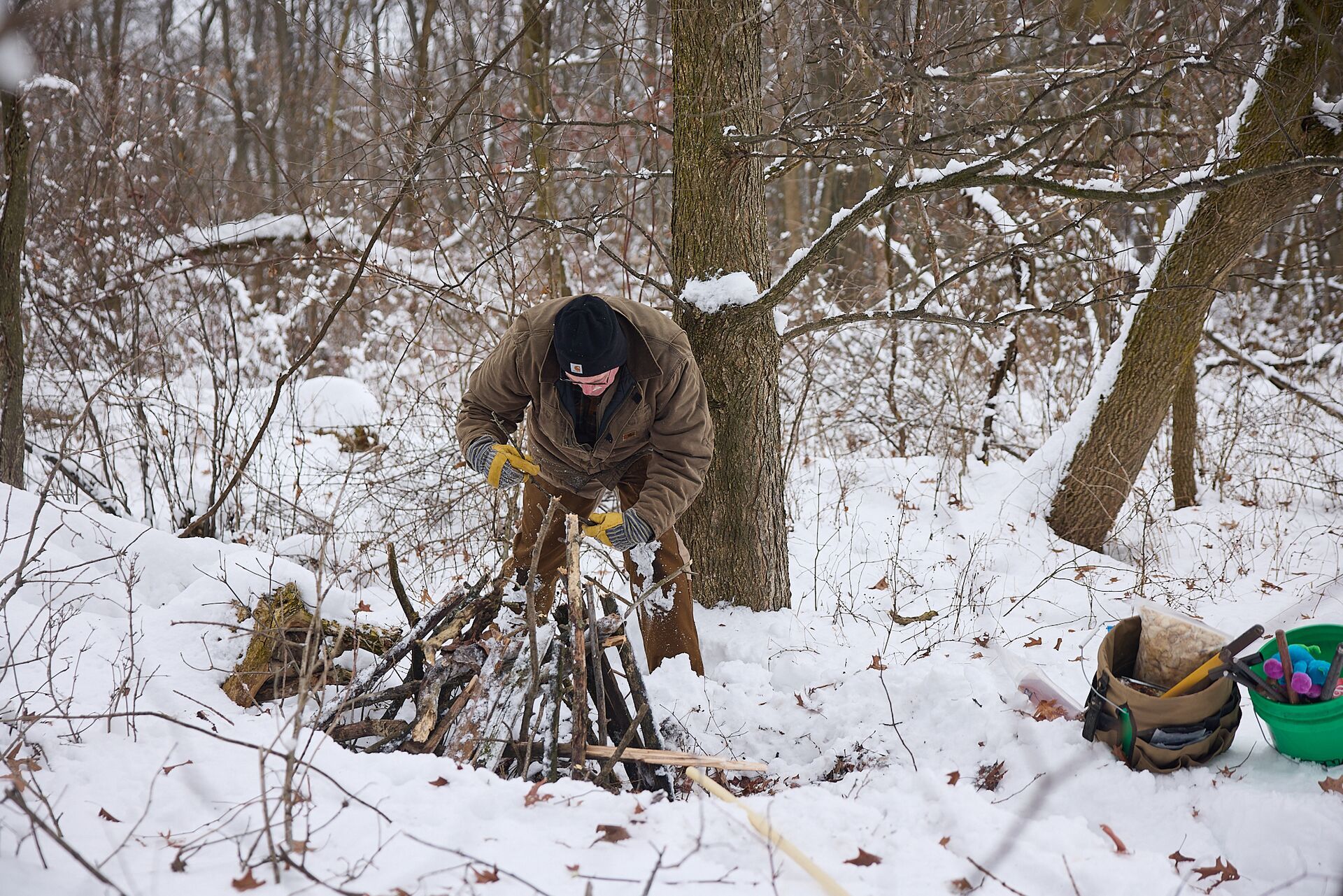
The dirt hole set is one of the most versatile and widely used trapping setups for trapping coyotes, bobcats, and other predators. The trap mimics a hole used by various species for food storage, and it should appear as if another animal has been digging at it. When set correctly, it's an irresistible scene for predator species.
Set the trap in the ground above the hole with the jaws at the edge of the bed and lay either bait or scent. Use some grass, a light dusting of soil, and nearby vegetation to help conceal the trap while keeping the levers clean and ready to fire.
6. Double Up Your Sets
Having two sets will maximize your chances and give you a failsafe in case one of the traps misfires. Many species, including predators and swine, may hunt in groups. When one is trapped, curiosity can often draw in a second animal.
Laying double sets allows you to hone in on what's working well in any given trapping zone. Try laying different types of traps, scents, or baits, and add them to your field notes, especially if you're working in a new area.
7. Mix Up Your Bait
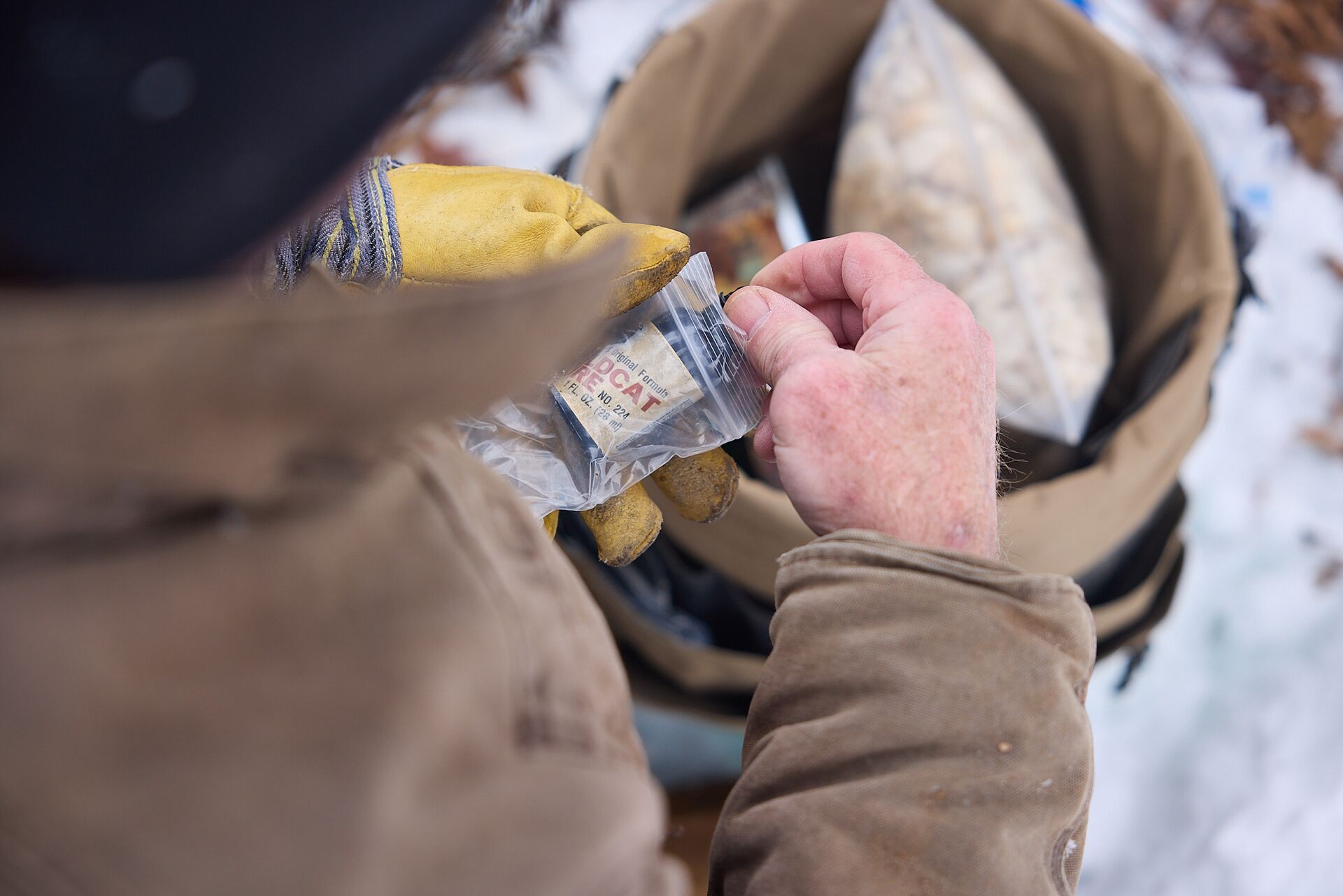
Food intake requirements, an animal's associations with a location's scents, and seasonal differences change over time. While we may all have our go-to scent or bait, if you continue to use the same one every time—or if every trapper relies on the same scent—animals will become cautious.
Sometimes a handful of dog food will do the job; other times, a commercially produced scent is necessary to attract coyotes. At the end of the day, trapping is about experimentation, and some animals may pass over even the best-laid traps and highest-grade scents.
8. Use Stepping Sticks
Feline and canine predators are cautious about where they place their feet, preferring level, solid ground. As a trapper, you can use this to your advantage.
Use natural materials from near your trap to build a path that guides animal feet to land precisely where you want them on the pan.
9. Keep a Hot Set
By resetting and refreshing traps immediately after a catch, you're using the disturbance and natural scent of the previously trapped animal to your advantage. More often than not, coyotes and other canids will be drawn to the fresh scent.
In this instance (and when laying a second set of traps) be extra vigilant about your scent and how you handle the scene.
10. Make Every Catch Humane
Check traps regularly, morning and night. Keep them in good condition with nice, tight springs, and ensure they're free of debris.
We all want clean traps that minimize an animal's suffering. Part of humane handling is always following the relevant state guidelines and requirements regarding handling, trap size, placement, bait, and scent use.
11. Use a Hunting App (e.g., HuntWise)
When trapping, HuntWise will be there every step of the way. To start, open the mapping sequences to scout ideal trapping terrain. LiDAR capabilities will unlock pinch points, saddles, benches, and shelves that other standard mapping overlays and topo maps overlook.
HuntWise also provides clear guides to public and private property lines, along with the contact details of private owners. When you're trapping scent-sensitive predators like coyotes, you can check the wind on the app before you approach.
Find a trapping strategy that works? With HuntWise, you can mark successful traplines on the map for future reference.

How Do You Start Trapping Animals?
As you research how to start trapping, start by visiting your local DNR website to learn about local trapping laws and regulations. Popular trapping states, such as Pennsylvania, run learn-to-trap weekends and more advanced training, in addition to providing online resources. Consider joining your local trapping or furbearers association to learn the fundamentals from a more experienced trapper.
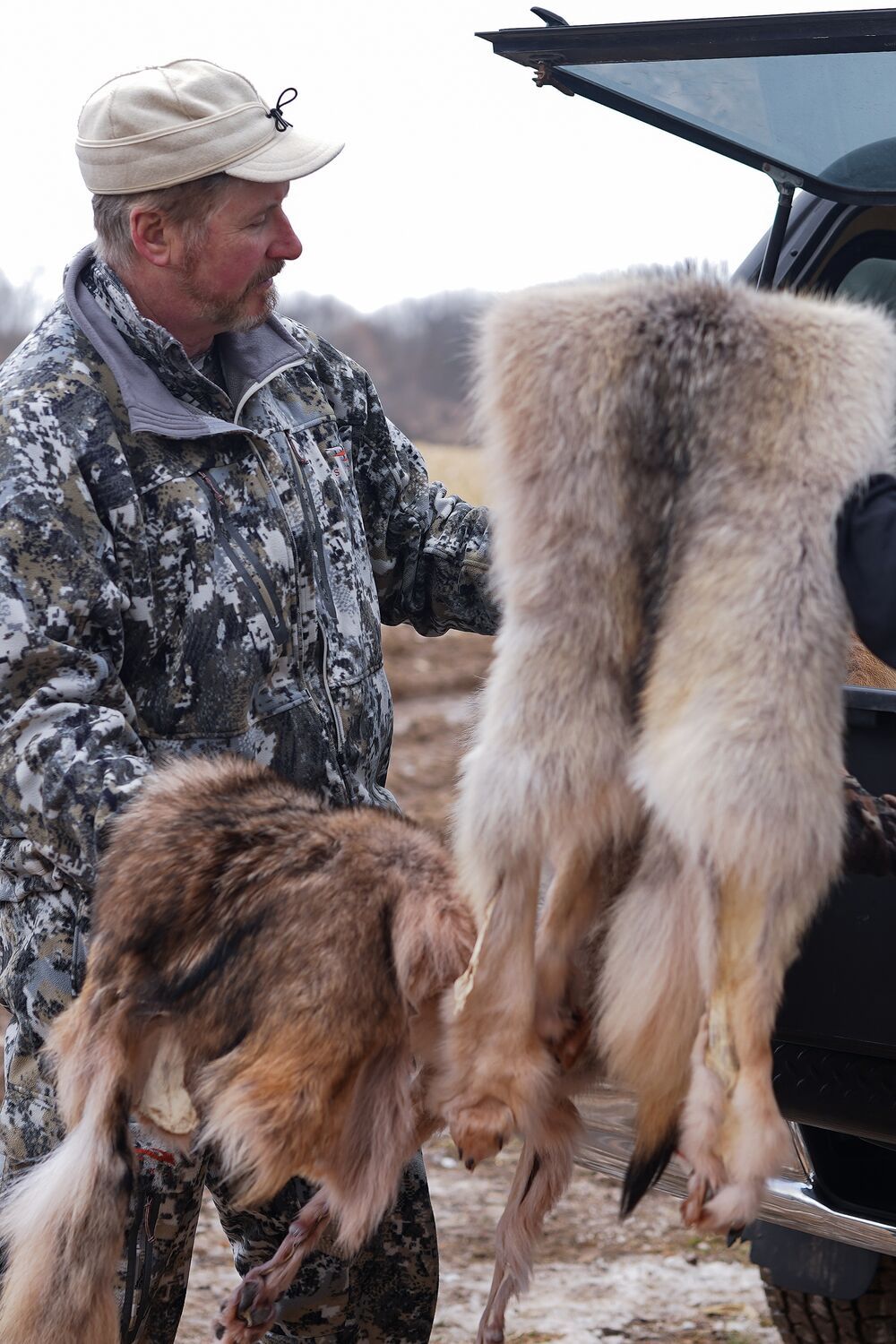
When you're ready, start small. Using a couple of rabbit snares or focusing on one or two species (such as raccoons or muskrats) will help you develop trapping basics, such as reading animal signs and uncovering tracks, trails, and runs. Then, move on to slightly more complex but still manageable setups, such as the dirt hole and flat set.
What Are Common Mistakes for New Trappers?
Avoiding mistakes (and learning from them) helps you become a better trapper!
Be sure to keep yourself, your gear, and your trapping zone free from human scent. Minimize human odors at every step of your trapping, from personal care to contact with trapping tools.
One of the critical components of how to set traps is to keep them firm, almost fixed in place. Air pockets beneath traps and poorly laid traps can cause wobbling, spooking animals and risking misfires.
Your bait and lure choices will vary depending on location. Try to match bait to the local area, consider the local food sources, and identify potential prey. Finally, checking traps daily (especially after storms or heavy snowfall) keeps them functioning and supports ethical practices.
What Is The Best Bait for Trapping?
The right bait depends on the animal: fish oil for raccoons, meat scraps for coyotes, and apples for muskrats. These preferences may also change seasonally, along with the species' caloric and protein requirements. No matter your intended bait, always keep baits fresh and weather-protected.
Generally, coyotes and foxes prefer fresh, high-protein meals with some fat for added scent. Pigs prefer slightly sweet, often agriculturally-based foods such as corn and berries. As omnivores, raccoons can eat fatty meat, sweet corn, and even fish, depending on the location.
What Animals Are Easiest To Start Trapping?
When trapping for beginners, keep things simple by targeting raccoons, muskrats, opossums, and beavers. These species are not nearly as wary as coyotes and foxes, and they are generally responsive to a wide range of baits.
Starting with one of these species will allow you to practice trapping basics, including preparation, anchoring, and exploring the woods for runs and high-potential pinch points.
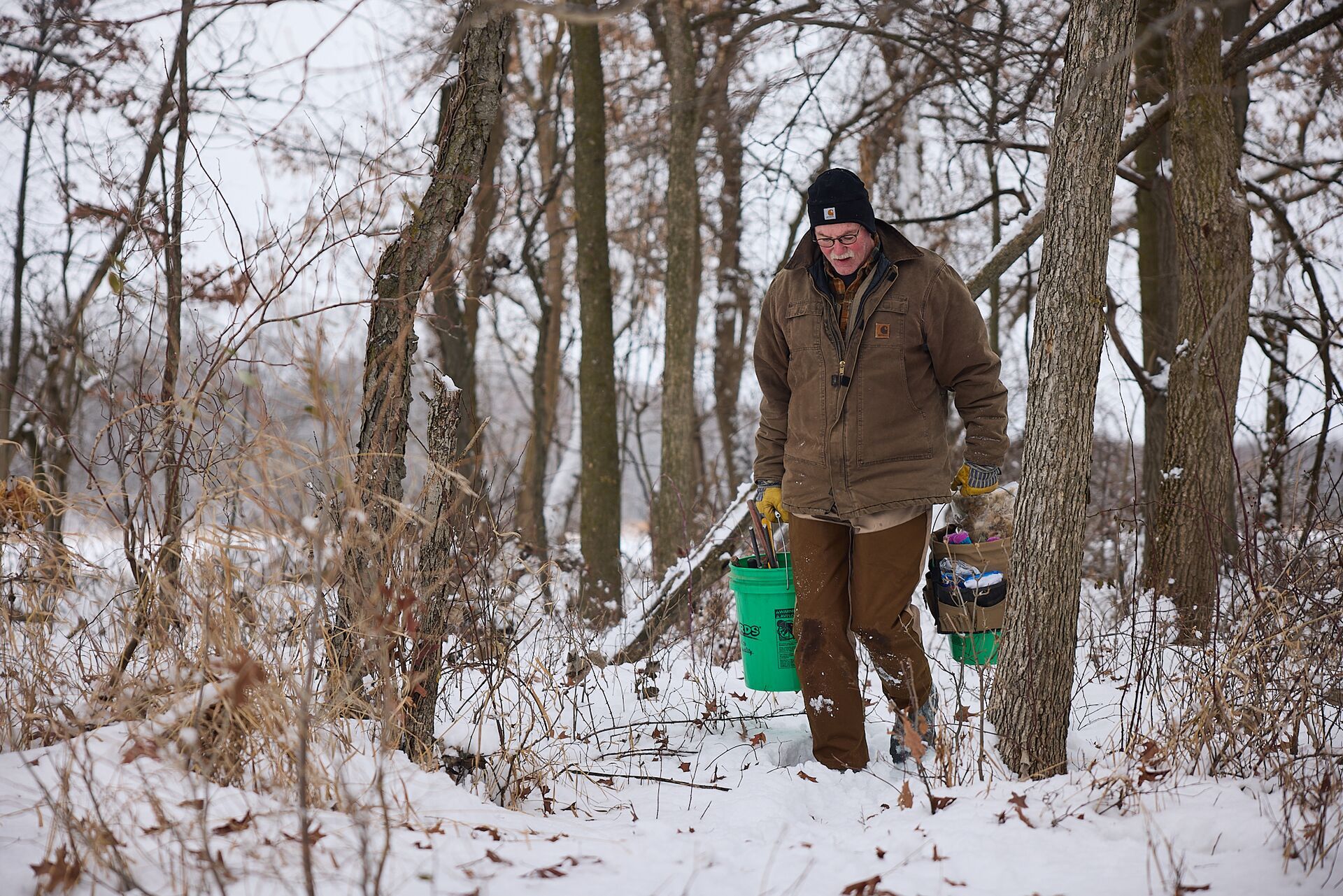
Use HuntWise to Find the Best Spots to Set Successful Animal Traps
We hope these trapping tips help you start off strong as a trapper! Successful trappers head out into the woods on frosty mornings to keep their skills sharp, secure tasty and overlooked game meat and pelts, and support conservation.
When you're ready to start trapping (or if you're simply interested in learning a little more), download the HuntWise app and start exploring. With mapping overlays, guides, pro tips, and weather insights, you'll be able to trap with confidence, even as a beginner.
Download HuntWise to find the best spots to set your traps free during your first week in the app!
Previous in Small Game
More Content Like This
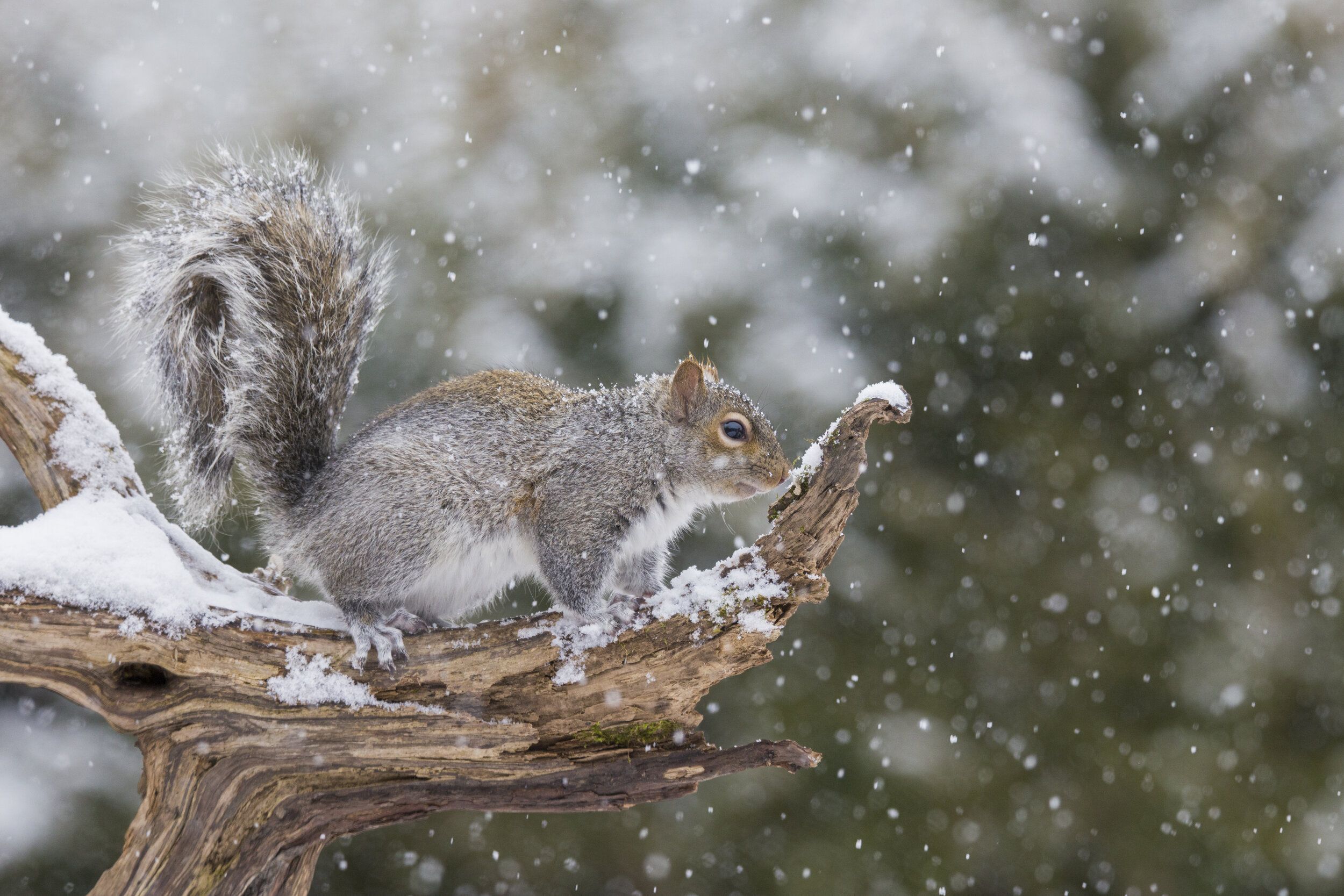
Best Squirrel Hunting Tips for Successful Hunts in 2026
From the silence of an early morning sit erupts the crunching sound of leaves and rustling bushes. Your heart drops as your eyes scan the canopy for movement, expecting to catch a subtle glance of the whitetail you've been eyeing all season. Instead,...Read More
Read More
How to Find the Best Places to Hunt Rabbits
Small game hunting can be a fun, low-stress activity and an easy introduction to hunting for beginners. Younger hunters and those new to hunting may want to start by hunting for rabbits, which are typically abundant across a wide range of habitats. Read More
Read More
How to Hunt Rabbits in 2026
For many (including myself), rabbit hunting is a formative introduction to hunting. The experience usually forms a lifelong appreciation and development of the sport. The opportunities are plentiful; you can work with both rifles and shotguns, and ma...Read More
Read More- Small Game
Best Squirrel Hunting Tips for Successful Hunts in 2026
From the silence of an early morning sit erupts the crunching sound of leaves and rustling bushes. Your heart drops as your eyes scan the canopy for movement, expecting to catch a subtle glance of the whitetail you've been eyeing all season. Instead,...Read More
Read More - Small Game
How to Find the Best Places to Hunt Rabbits
Small game hunting can be a fun, low-stress activity and an easy introduction to hunting for beginners. Younger hunters and those new to hunting may want to start by hunting for rabbits, which are typically abundant across a wide range of habitats. Read More
Read More - Small Game
How to Hunt Rabbits in 2026
For many (including myself), rabbit hunting is a formative introduction to hunting. The experience usually forms a lifelong appreciation and development of the sport. The opportunities are plentiful; you can work with both rifles and shotguns, and ma...Read More
Read More
1 of 3