Field Guide / Hunting Tips
The Guide to Late-Season Whitetail Hunting
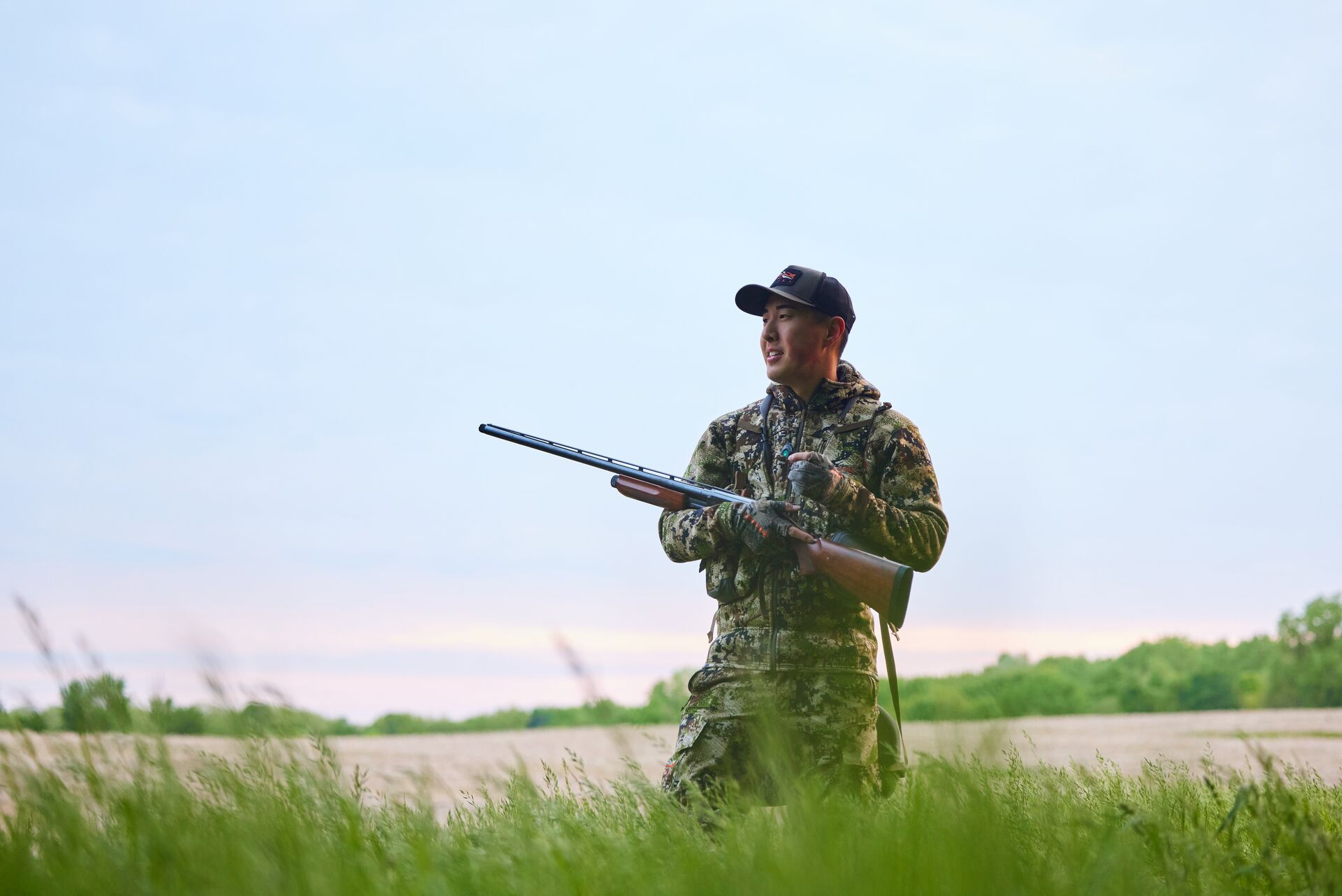





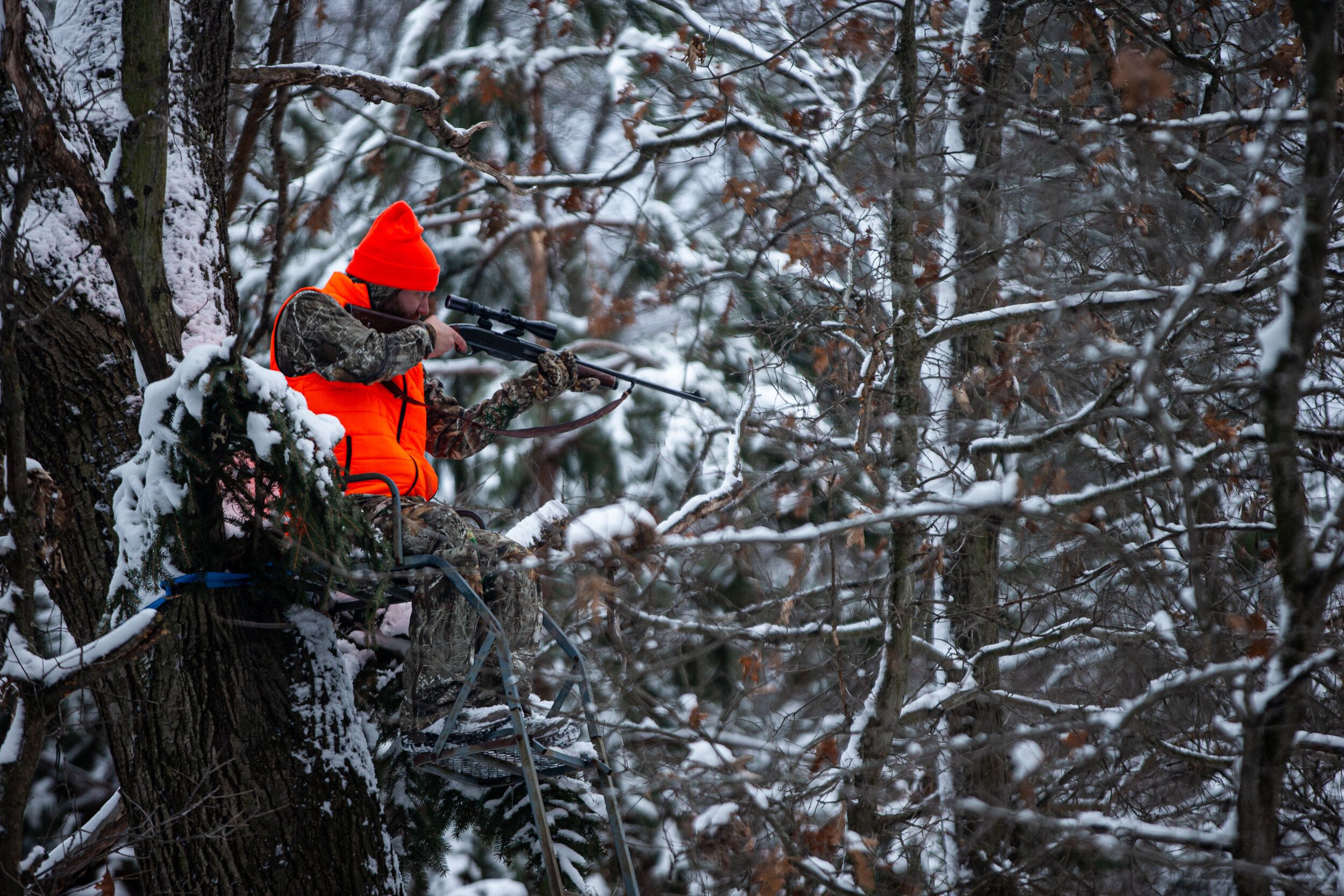
Late-season deer hunting efforts often include a mixed bag of opportunities for mature bucks. Focusing on food, warmth, and less pressure can be the shift in strategy that helps those hours in the cold pay off.
Indeed, whether you are hunting with a bow, muzzleloader, shotgun, or rifle, the rate of success can be extremely high for a late-season hunt. Don't let the word "late" make you feel pressured or lure you into predicting a disappointing end to your season. Hunting in cold weather for bucks offers plenty of potential, namely for whitetails.
How should you approach late-season whitetail hunting? Keep reading for our go-to tactics if you want to put meat in the freezer or antlers on the wall.
Updated December 12, 2025
Food is King When Hunting Late Season Whitetail
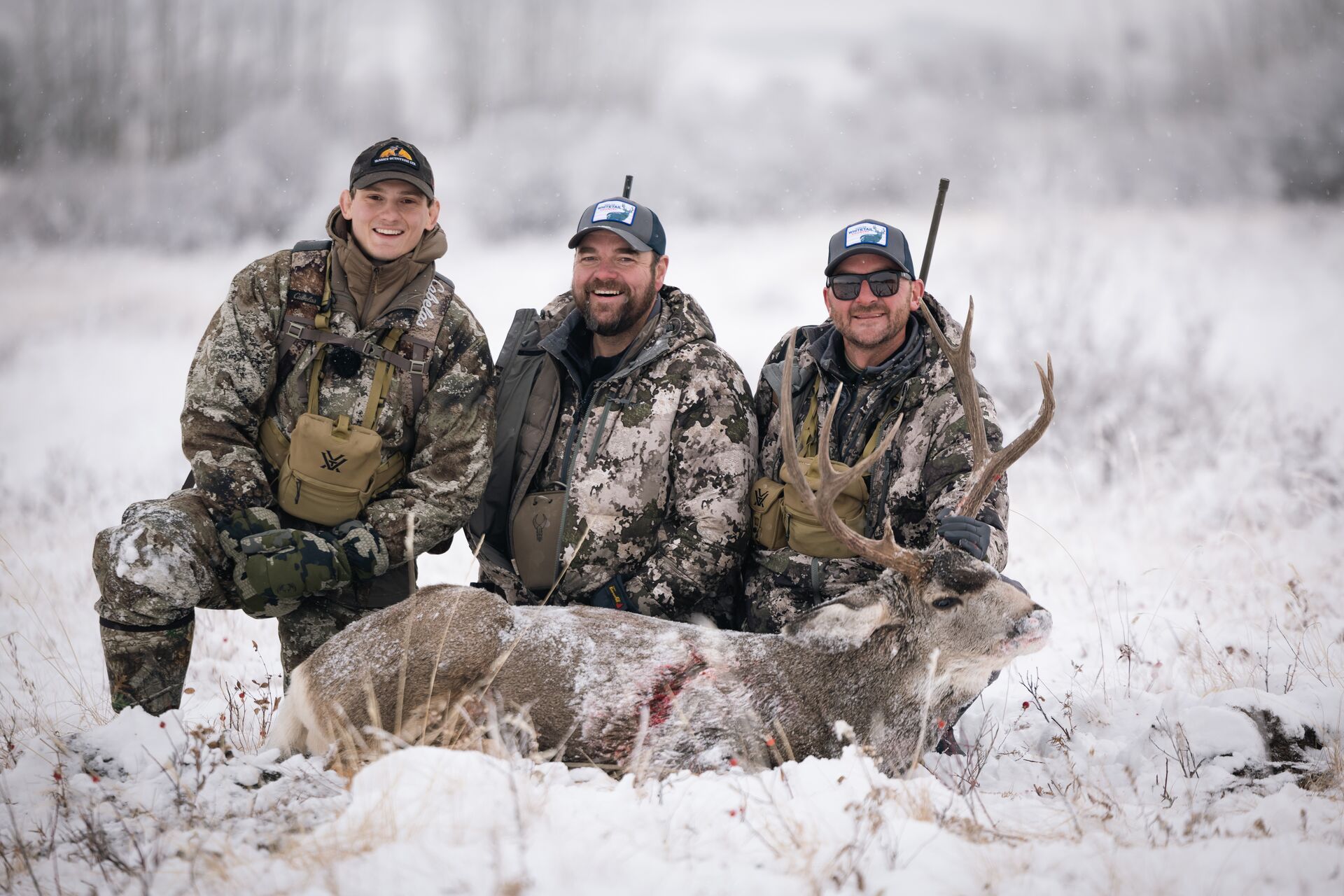
In the late season, if you can identify the food source deer visit the most, you'll have a great shot at filling your freezer.
During the rut, bucks may lose up to a quarter of their body weight. Therefore, bucks are in full "recharge" mode as they try to pack on weight before the harsh winter months.
Through December and beyond, deer aim to conserve energy by using the path of least resistance. So, set up on main trails leading to and from food sources while keying in on high-carb foods near bedding areas. Focus on highly palatable food sources such as corn, soybeans, acorns, brassicas, and cereal grains.
The trick is to find quality forage where deer feel secure. Whether on public or private lands, remote food and cover options that give the illusion of being unpressured by hunters all season long can create a golden opportunity for hunting.
Find Solar and Thermal Bedding Areas
Deer stick closer to their bedding areas as winter approaches because they are trying to conserve energy.
Different types of bedding cover are essential for deer. During the winter, patterns shift.
On clear days, to detect bedding areas for deer without spooking them, search for south-facing slopes or any areas facing south, otherwise known as solar bedding areas. These slopes appeal to deer as they warm up faster by catching the sun's rays for longer periods and blocking cold northern winds during winter.
Thermal cover, such as dense woods, thickets, and cedar patches, can also appeal to white-tailed deer during cold weather. During rain, snow, and overcast, deer will tuck into thick cover to escape cold winds and weather.
Does tend to prefer these types of bedding areas in the wintertime, and where there are does, there are typically bucks.
Recognize the Importance of Tree Cover
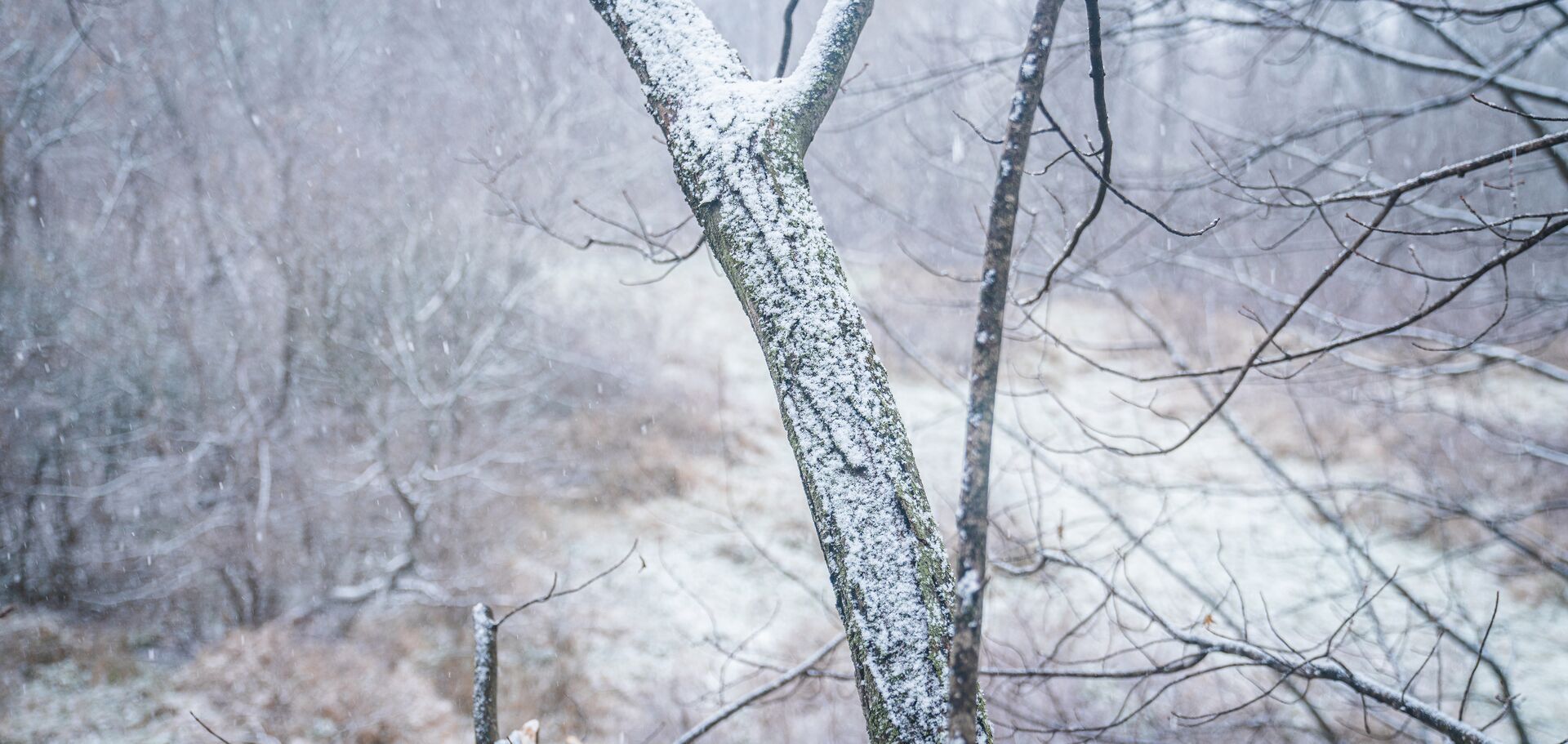
A significant area of concern while winter hunting is tree selection. With the lack of foliage at this time of year, many early or mid-season trees are now less than optimal because the cover in the woods is gone.
When looking for trees to clear out for winter hunting, finding ones with background cover is very important. This kind of cover can take the form of other trees behind you or branches on the tree you're in, just as long as you don't have an open sky behind you, leaving your silhouette easy to pick out.
Good sources of background cover included large crotches, conifers, and oaks that have held onto their leaves.
Take Advantage of Afternoon Sits
Timing your sits becomes even more crucial when hunting late season whitetail.
In the North, where snow and cold conditions are the norm, early morning deer sightings can take a lot of work to come by. Like the early season, focus on afternoon food source movement opportunities. Deer often move more when the day warms up to feed in the afternoon and conserve energy from cold mornings.
With the confidence that HuntCast will deliver the best days to be in the woods, take advantage of hungry whitetails in search of food sources to replace the energy reservist needed to survive the harsh winter months.
Quality, unpressured whitetail habitats are not very common for this time of the season. So, you can bet that if you locate the perfect combination of food and cover, you will have found the deer-hunting version of whitetail gold!
Don't Forget Secondary Rut Strategy
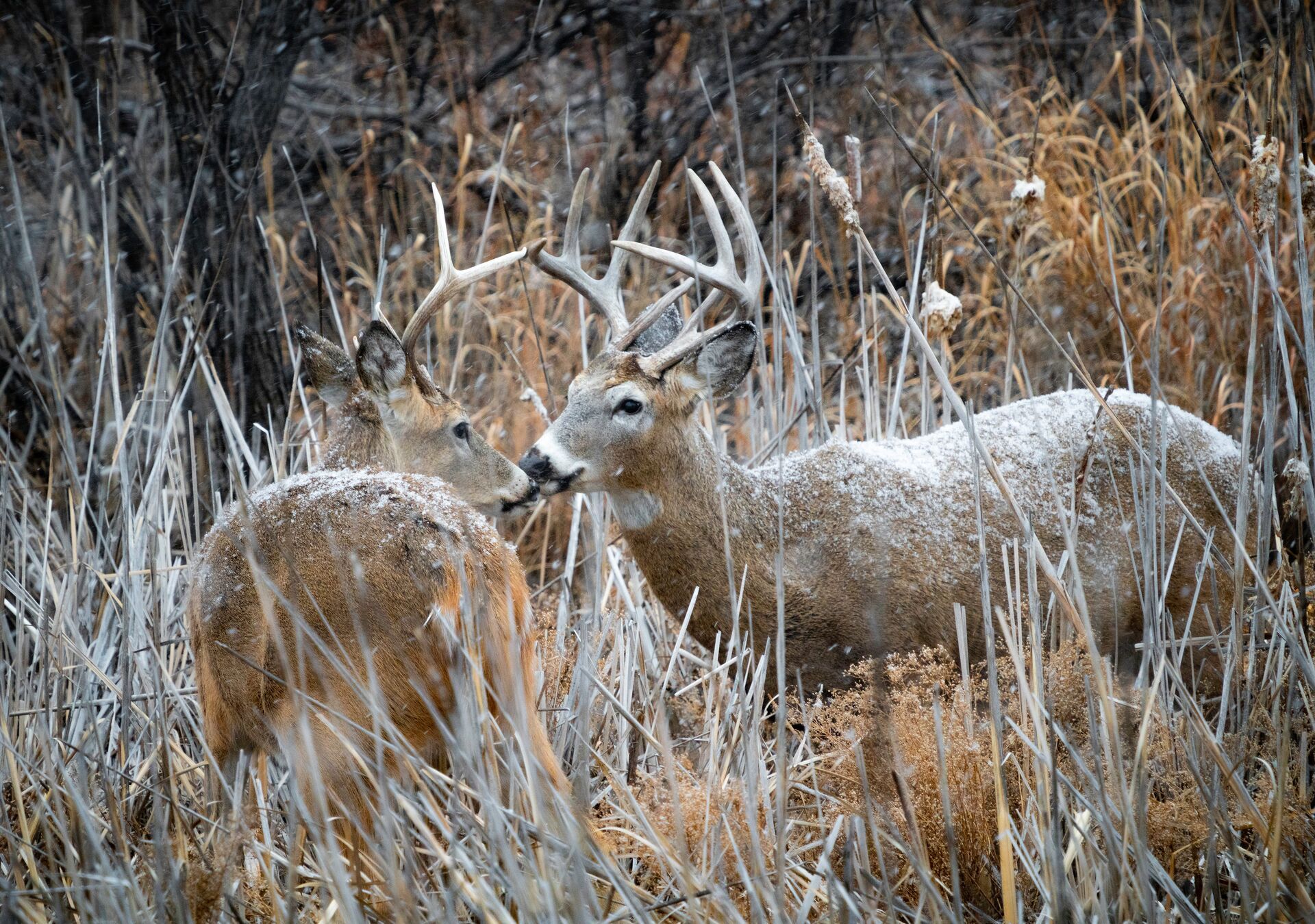
As December rolls in and the woods go quiet, don’t assume the rut is completely done during the late season.
Many does that weren’t bred the first time will cycle back into estrus, kicking off a subtle but very real secondary rut. During this window, bucks often freshen up scrapes just outside bedding areas as they cruise for late-cycling does. Keep an eye out for these reopened or newly worked scrapes: they’re prime indicators of buck activity in an otherwise sluggish time of year. Set up downwind of these spots, move slowly, and you might just catch a late-season bruiser slipping up.
Remember to Scout
Late season is the perfect time to hit the whitetail woods to scout. At this time, hunting season signs are still clearly evident and critically important. Winter signs often reveal patterns that do not relate to hunting season signs.
At the start of the late season, whitetail stick to fall hunting season deer movements and eventually return to predictable patterns before the rut. However, as winter intensifies, patterns shift. If you wait too long in the late season to scout, confusing winter deer patterns with important fall hunting season deer movements is easy.
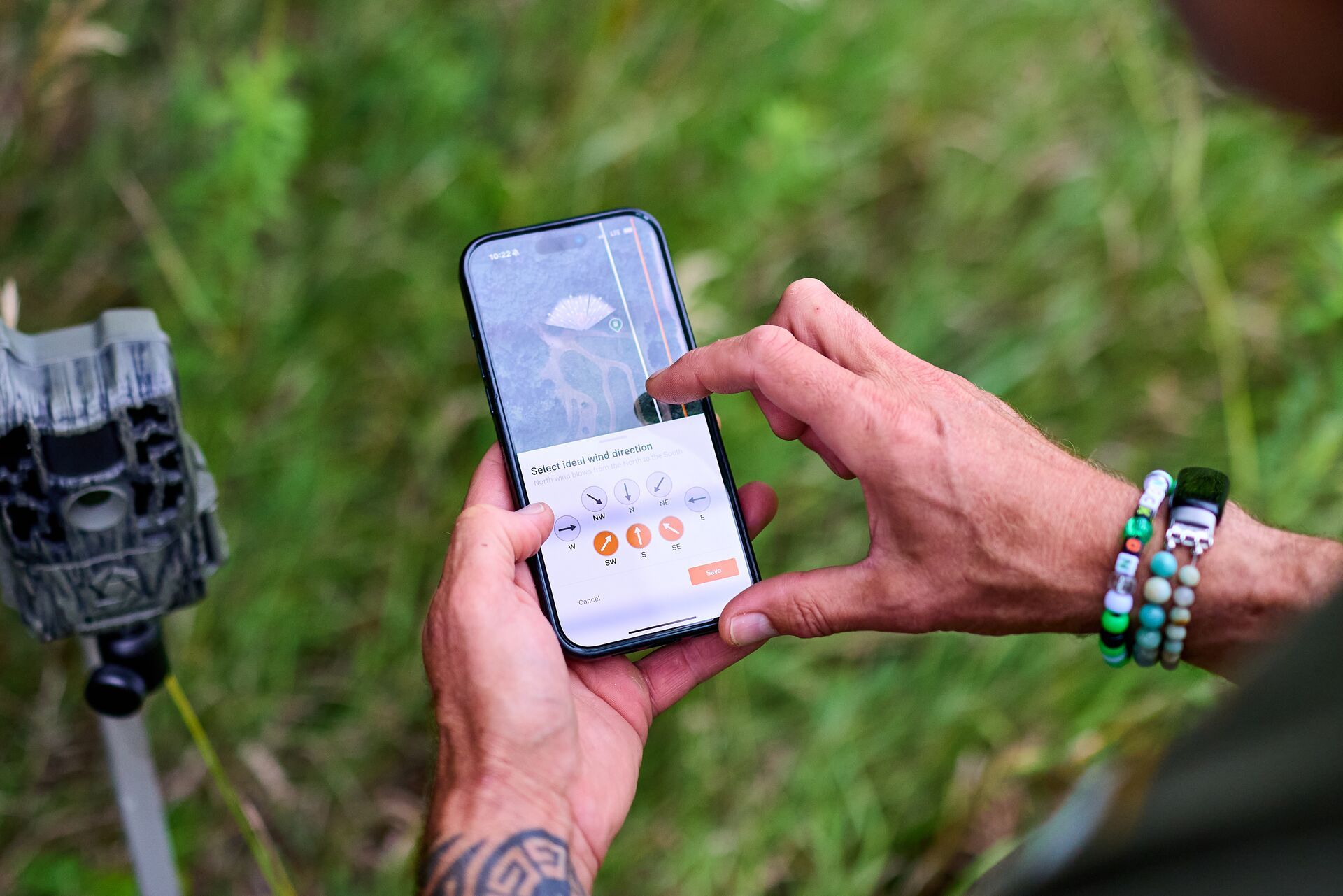
Use HuntWise to track what you see and note changes in what you see now vs. what you saw earlier in the season.
Use Trail Cameras to Scout
Late season can punish anyone who overpressures a good spot, so let your trail cameras do the scouting for you. Since you marked where you placed them in your HuntWise app, you can use what you see on the cams and the app's mapping features to pick the best spots to set up.
Use your cameras to confirm when deer are actually hitting food sources in daylight before you slip in. This keeps you from burning out a location with unnecessary (and cold) sits and helps you time your hunts for those brief, predictable feeding windows.
Smart camera intel and HuntWise insights lead to fewer mistakes and better odds when you finally climb into the stand.
Wear the Proper Gear and Dress Warm
A late-season whitetail hunt is a good time to layer your clothes. However, wait to put on the outer layer until you are in the stand.
By the time November and December roll around, you can count on it being cold, snowy, and downright miserable at times, but achieving success favors those with tenacity in the woods. Quality late-season hunting outerwear is designed to retain body heat, so it typically incorporates some form of insulation between its interior liner and exterior shell.
Check out some of our best late-season gear recommendations to make sure you're warm and dry when late-season whitetail hunting.
Use These Strategies and HuntWise for Late-Season Whitetail Hunting Success
The late deer season can be a rewarding challenge if you can brave the cold weather and snow while sticking to the basics of afternoon food source movements. There are several strategies for hunting late-season whitetails, and the same tactics apply whether you are bowhunting or using a firearm.
When December rolls around, there is still a lot of deer hunting to take place. Just because the rut is over doesn't mean you can't find some fantastic hunting late in the season. So get off the couch, get out there, and punch that tag!
Remember: if you need to upgrade your winter gear (or any gear) or you don't yet have the right stuff to keep you warm when hunting during the winter, HuntWise Pro and Elite subscribers can save hundreds on gear from our partners. It's the gear we use and love in the field with exclusive discounts for our subscribers!
So, make sure you have the app to help you plan your hunt and mark deer behavior patterns that differ depending on the season. Then, use your discount to collect the gear you need for a warm sit in your stand or blind as you wait to tag that blizzard buck!
Download the app and get your first week free to plan your late season whitetail hunt!
Previous in Hunting Tips
More Content Like This
What Can You Hunt in the Spring? [A Guide]
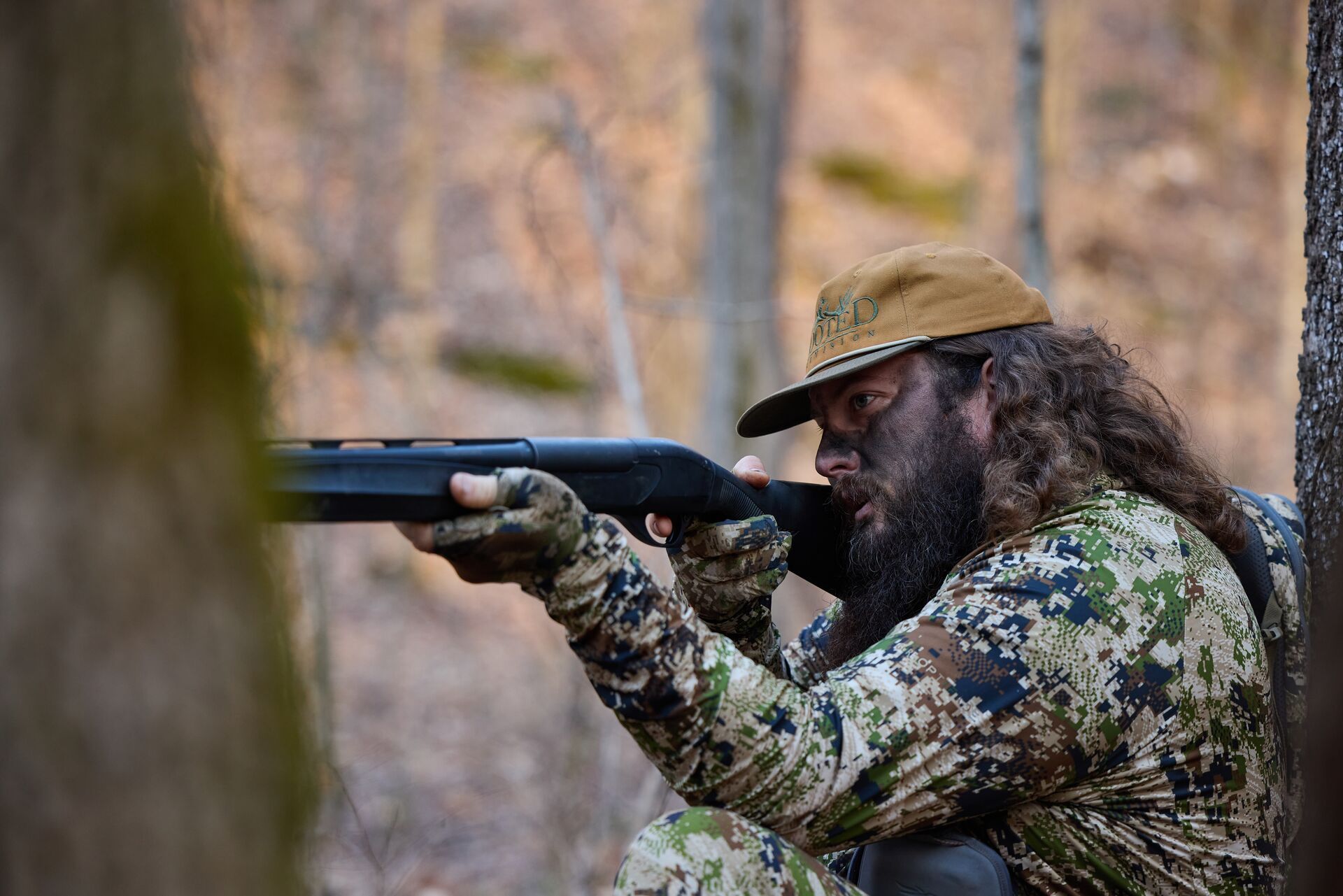
As the landscape changes in color and the days get slightly warmer, hunters across North America prepare for exciting hunts. If you haven't already been out for a turkey hunt or chased down a coyote or wild hog, you may be wondering what to hunt befo...Read More
Read More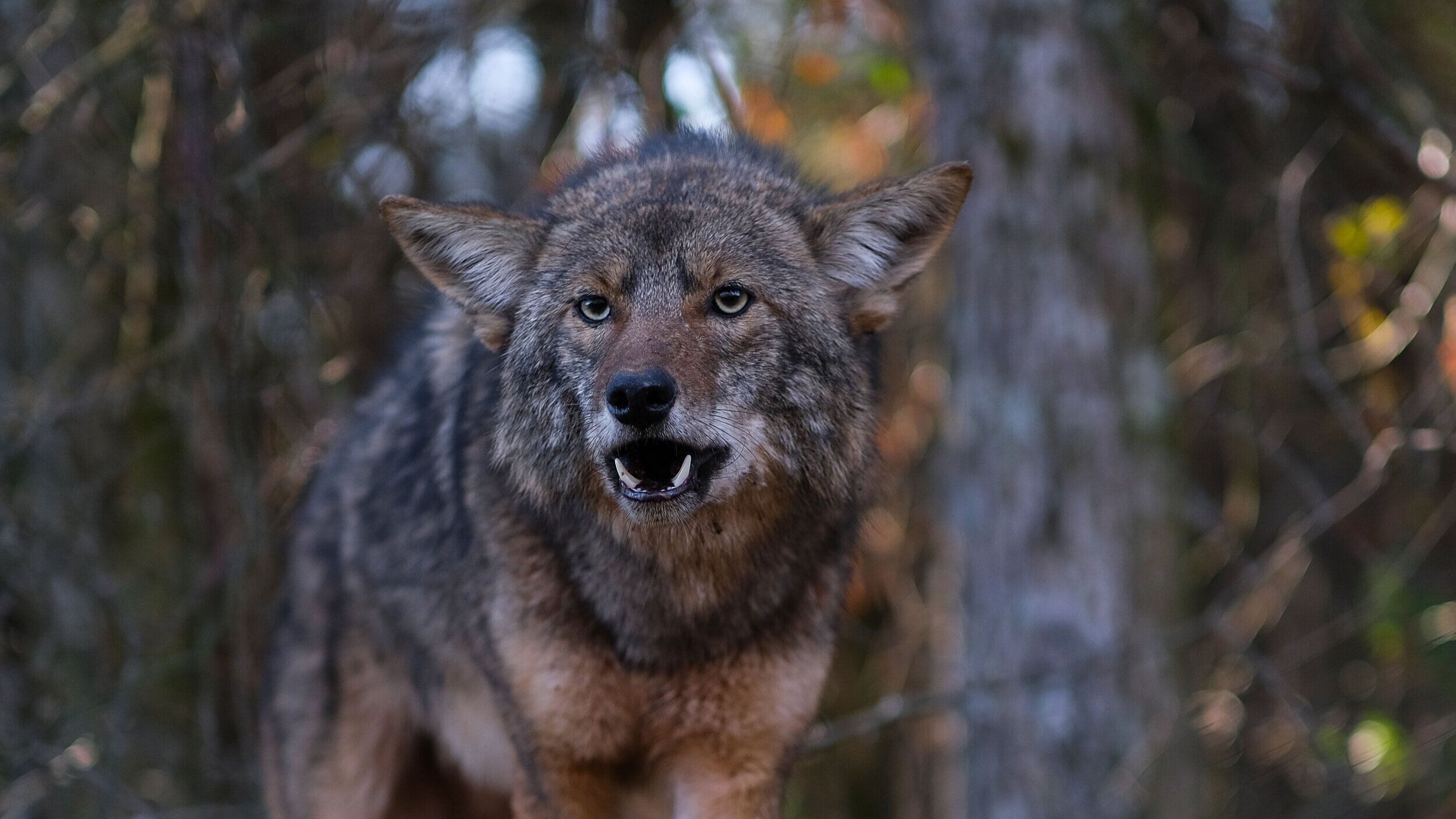
Why You Should Coyote Hunt (and How to Get Started)
When deer disappear, coyotes are often the culprit. They eat fawns, small game, livestock, and even our pets. Coyotes are one of the most adaptable animals in the world. Their excellent vision, sense of smell, and hearing, matched with their ability ...Read More
Read More
What is Poaching (and How to Report It)
As ethical hunters, we have a duty to be proactive in the ongoing conservation of all animal species we encounter, as well as the habitats and ecosystems that support them.Read More
Read More- Hunting Tips
What Can You Hunt in the Spring? [A Guide]
As the landscape changes in color and the days get slightly warmer, hunters across North America prepare for exciting hunts. If you haven't already been out for a turkey hunt or chased down a coyote or wild hog, you may be wondering what to hunt befo...Read More
Read More - Hunting Tips
Why You Should Coyote Hunt (and How to Get Started)
When deer disappear, coyotes are often the culprit. They eat fawns, small game, livestock, and even our pets. Coyotes are one of the most adaptable animals in the world. Their excellent vision, sense of smell, and hearing, matched with their ability ...Read More
Read More - Hunting Tips
What is Poaching (and How to Report It)
As ethical hunters, we have a duty to be proactive in the ongoing conservation of all animal species we encounter, as well as the habitats and ecosystems that support them.Read More
Read More
1 of 3