Field Guide / Deer
Post-Rut Nutrition: Food Sources for Late-Season Deer





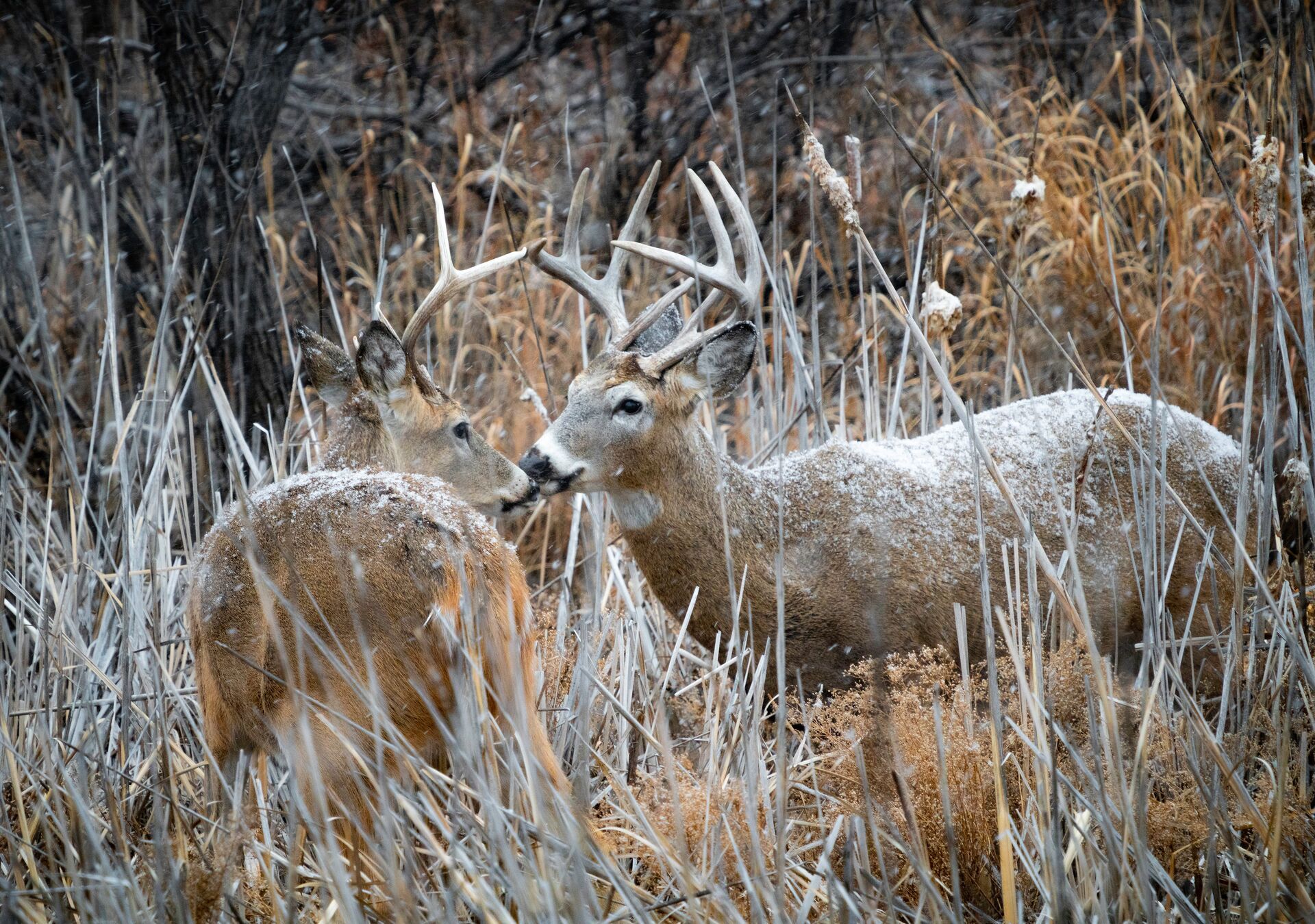
After the grunts and bleats of the rut turn silent, deer shift their attention to recuperation and rest. During this critical period, food sources for late-season deer must do more than replace fat reserves. They must also replenish minerals and vitamins, build the deer's immune system for the upcoming winter, and promote overall conditioning.
Amid this change in patterning and seasonal nutrition, hunters need to shift their strategies. A follow-the-food approach typically dominates any late-season deer-hunting plan.
Let's take a closer look at the changes in food sources, feeding habits, attraction strategies, and winter hunting tips to help you on your winter deer hunting journey.
Food Sources for Late-Season Deer
During the post-rut window, bucks turn from green vegetation to calorically dense, carbohydrate-rich foods. Familiar late season deer food sources include browse—such as twigs, stems, and the buds of hardwoods and shrubs—and mast crops, including acorns, beechnuts, and hickory nuts.
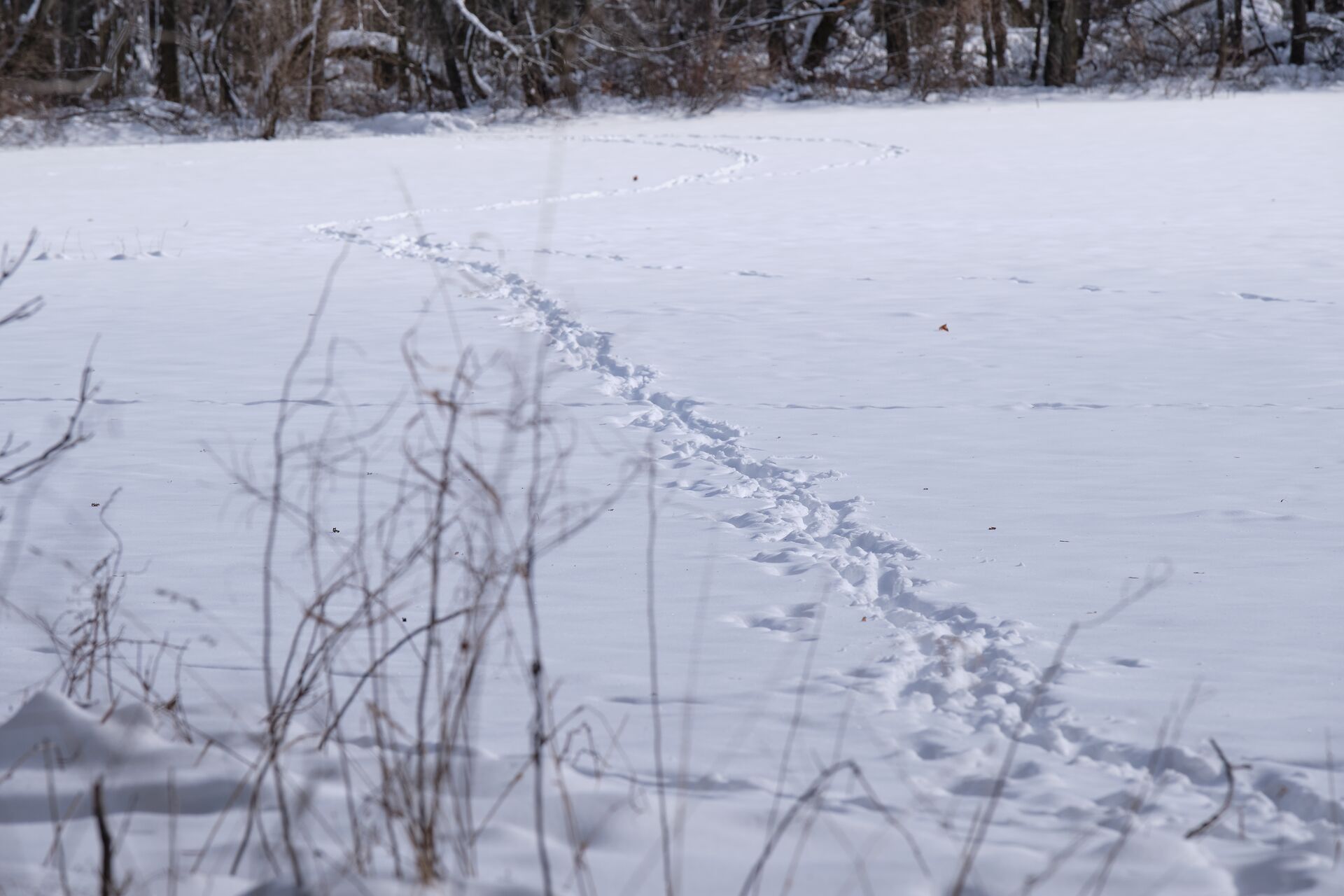
If snow cover is light and temperatures are mild, late season deer food sources may include corn, soybeans, alfalfa, and winter wheat. Deer tend to bed near food sources to limit energy expenditure, leaving tracks between bedding and feeding zones. During a cool snap or when other food sources are limited, deer will turn to evergreen plants such as juniper, cedar, and hemlock.
What Do Deer Eat in December?
After a pre-winter period of intense feeding, deer shift to a maintenance diet in December. Deer have adapted to certain late season deer food sources, such as dormant buds and twigs of winter browse from hardwoods, shrubs, and saplings.
Winter deer food sources may also include plots planted with brassicas, turnips, clover, or winter wheat and evergreen foliage as backup food in deep snow. Consistency is important when it comes to food sources for late-season deer, and extreme variations in their diets can be harmful.
Do Deer Feed More in the Cold?
Yes, cold weather can prompt deer to feed. As temperatures drop, deer must increase their caloric intake to retain body heat, especially in freezing and subfreezing conditions.
Deer may adjust their feeding times in cold weather, often feeding longer during daylight and extreme cold. Severe cold fronts may push them toward concentrated food sources such as crop fields and food plots. For elite hunting opportunities, look out for snowstorms and cold mornings.
Where Do Deer Go After the Rut for Food?
Your post-rut deer hunting scouting should focus on food, bedding, and shelter, which are critical to deer at this time. As deer shift their focus to feeding, they will seek out reliable late-season food sources such as cornfields, soybean fields, and food plots.
Areas with limited food availability can create a deer funnel, drawing calorically crazed deer to feed. Scout tracks, trails, and droppings that link bedding zones with these food sources.
Deer also prefer thick cover near food, which helps them conserve energy and avoid predators. When warmth and access to food are critical, deer will gravitate toward south-facing slopes or sheltered areas.
How Do You Attract Deer in Late Season?
Your best bet is standing corn, soybeans, brassicas, and other high-energy food sources for late-season deer, who can't resist these crops, even after an intense hunting period. If legal, consider establishing late season food plots by supplementing food sources with corn, pellets, or mineral licks. Just keep an eye on deer that may not be accustomed to these ingredients.
4 Late-Season Deer Hunting Tips
How can you capitalize on late-season, post-rut hunting opportunities? Check out the tips below!
1. Follow the Food
Hunt food sources religiously, as deer are highly food-driven in late season. When deer hunting in December, this may require some tactical investigation, depending on your hunting zone.
2. Track the Weather with HuntWise
Jump on the HuntWise app and start marking some agricultural zones that may deliver on food sources for late season deer. You may want to target winter wheat fields, or, if there are no agricultural zones near you, consider forests that provide browse.
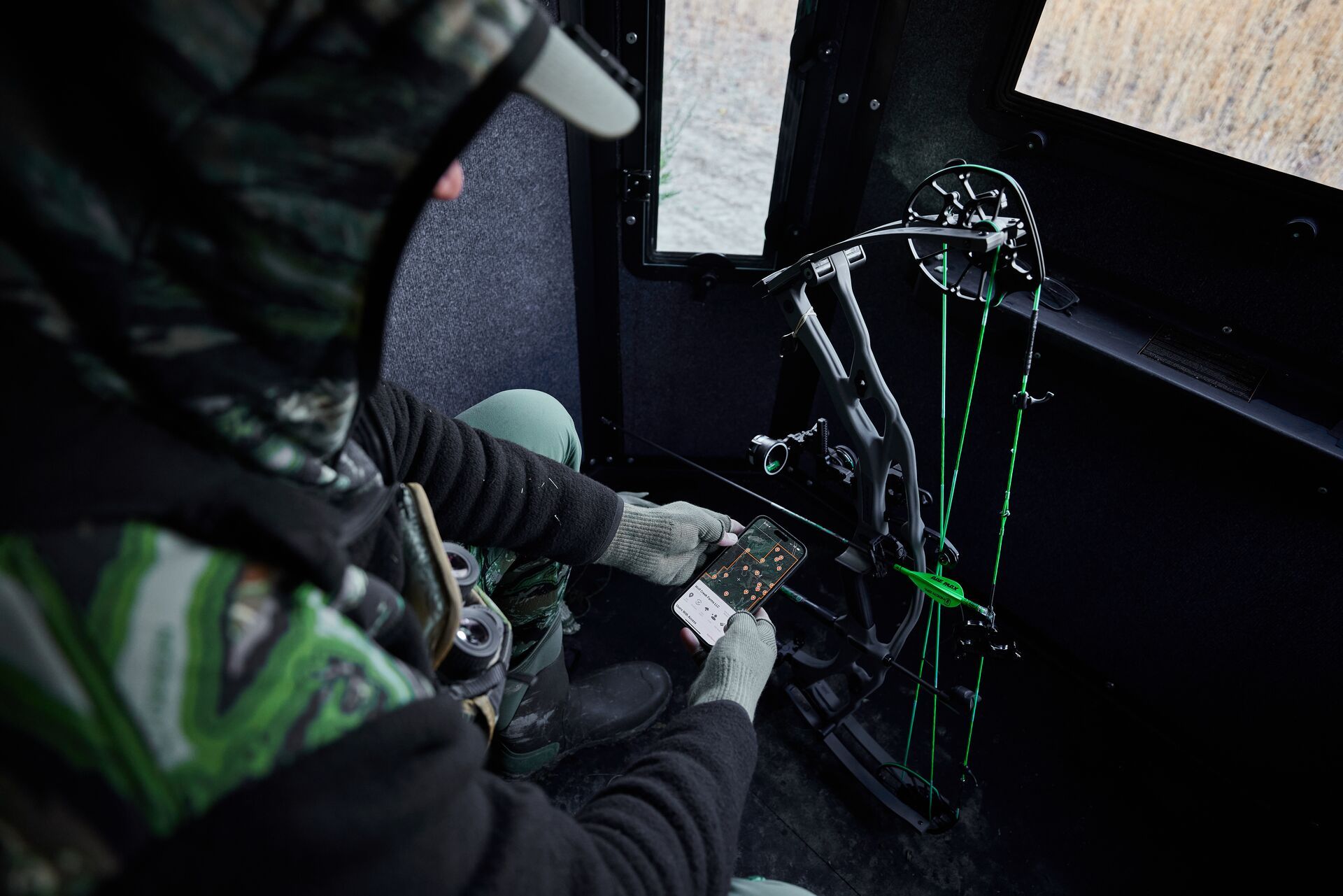
When timing your hunt, use HuntCast to track the weather and target incoming cold snaps that will draw deer out and trigger more movement, especially during the day (unlike during the rut). Your late-season hunting must be strategic and focused, or you'll risk being winded or busted.
3. Stay Warm and Hidden
Warm up with plenty of layers and use ground or box blinds to stay concealed during long sits. If you move, take it slow and focus on glassing and working the edges of bedding zones.
Always hunt downwind of these areas using WindCast, and pay attention to wind direction, as deer are extra cautious after hunting pressure.
4. Prioritize Evening Hunts
Finally, stick to evening hunts (the chance of spooking deer in the morning is too high) and be patient.
Late-season deer hunting often rewards persistence and careful planning. Maintain quiet, low-pressure areas around food to avoid spooking deer, and try not to hunt a zone too intensively, especially late in the evening, as deer will quickly notice your presence.
Keep in mind that the late season is far less forgiving than the rut. To avoid detection, use scent cover and approach stands carefully.
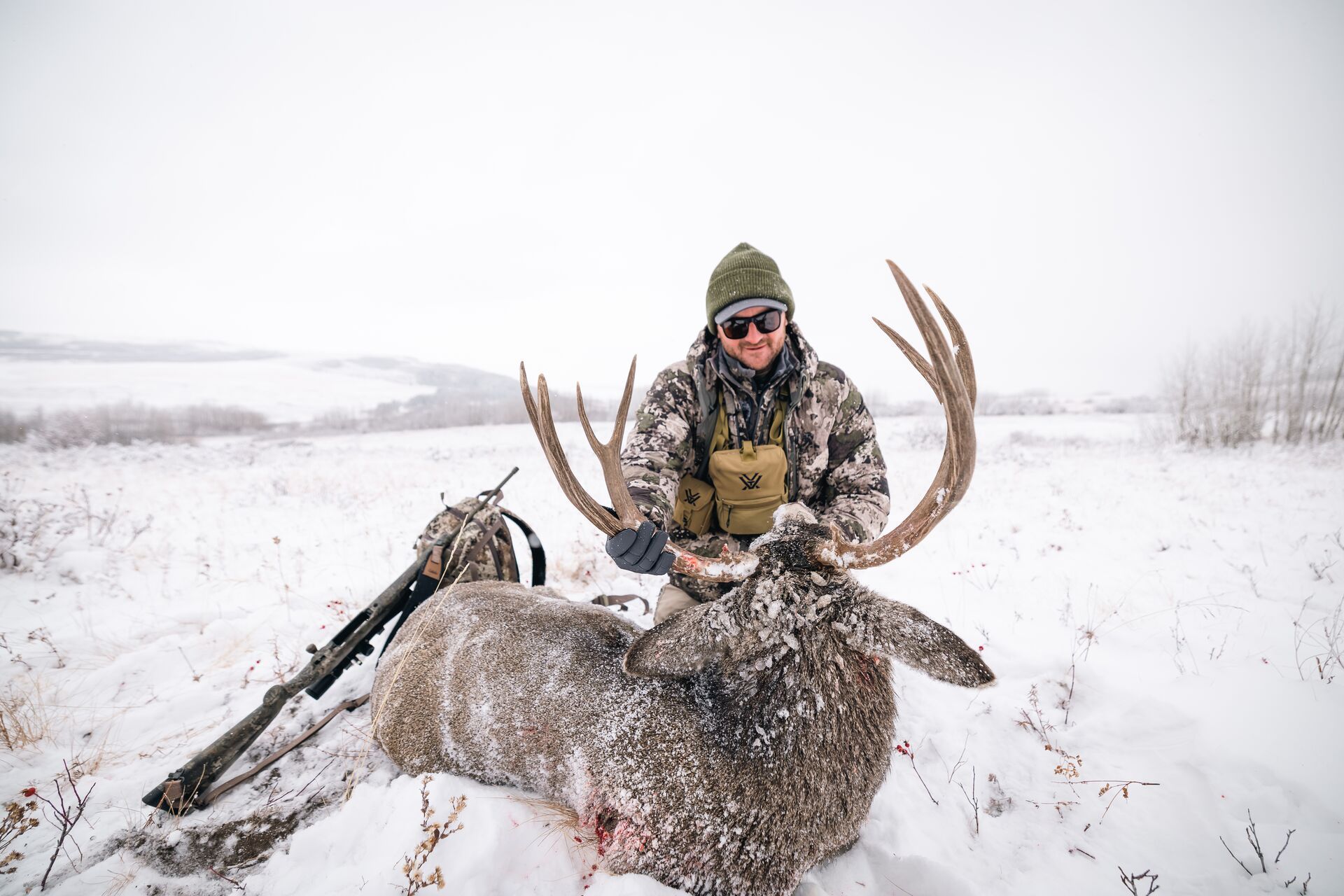
Bring Home a Buck Through a Late-Season Hunt with HuntWise
Late-season hunting can be challenging, but with the right approach and targeted knowledge of critical food sources, you can increase your odds of encountering a mature buck.
Spend time out in the field, consult the HuntWise maps and utilize various layers, and speak to your nearby game warden, local landowners, and fellow hunters to learn about the feeding habits of deer near you! Follow the food and improve your chances of bringing home a late season buck.
Still don't have HuntWise yet? Make a late-season hunt count!
Download HuntWise and plan your winter deer hunt free for seven days.
Previous in Deer
More Content Like This
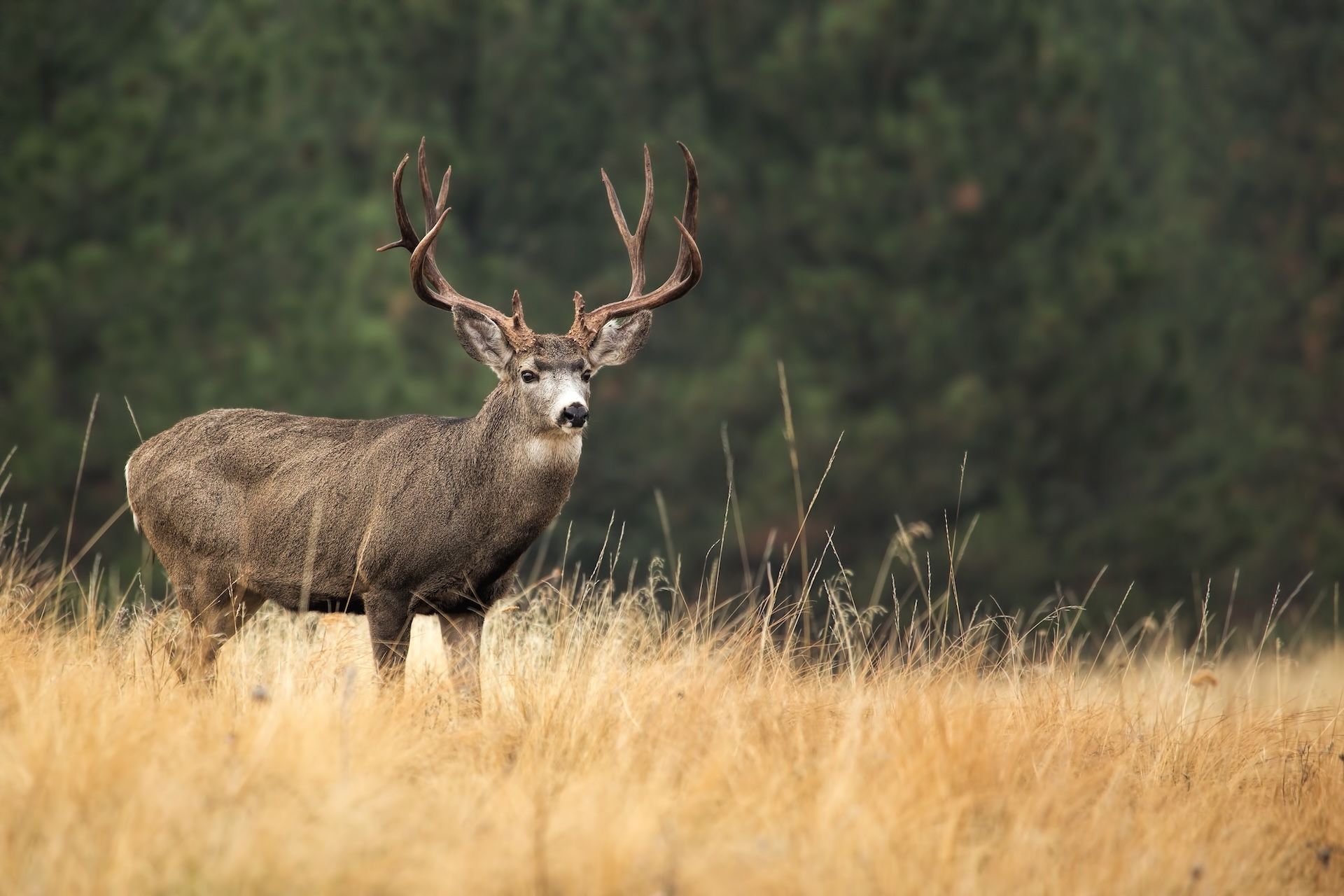
The Best States to Hunt Mule Deer
Muleys are a mainstay of the North American hunting list and a symbol of a classic Western hunt. As you plan your hunts this season, you need to know the best states to hit up for a mule deer hunt.Read More
Read More
The Guide to the Michigan Deer Season 2025
Due to its diverse mix of agricultural lands, extensive woodlands, and rocky upper northern peninsula, Michigan supports a healthy deer population and an even healthier deer hunting culture and tradition. This variety and pristine wilderness make Mic...Read More
Read More
When Is the Mississippi Deer Season? What You Need to Know
Mississippi is a special deer-hunting state. If you want to harvest trophy bucks, you'll find them here, or if you want to fill your freezer with free-range game meat, then there are plenty of chances to do that, too. Read More
Read More- Deer
The Best States to Hunt Mule Deer
Muleys are a mainstay of the North American hunting list and a symbol of a classic Western hunt. As you plan your hunts this season, you need to know the best states to hit up for a mule deer hunt.Read More
Read More - Deer
The Guide to the Michigan Deer Season 2025
Due to its diverse mix of agricultural lands, extensive woodlands, and rocky upper northern peninsula, Michigan supports a healthy deer population and an even healthier deer hunting culture and tradition. This variety and pristine wilderness make Mic...Read More
Read More - Deer
When Is the Mississippi Deer Season? What You Need to Know
Mississippi is a special deer-hunting state. If you want to harvest trophy bucks, you'll find them here, or if you want to fill your freezer with free-range game meat, then there are plenty of chances to do that, too. Read More
Read More
1 of 3