Field Guide / Deer
Vampire Deer: Are Fanged Deer Real?





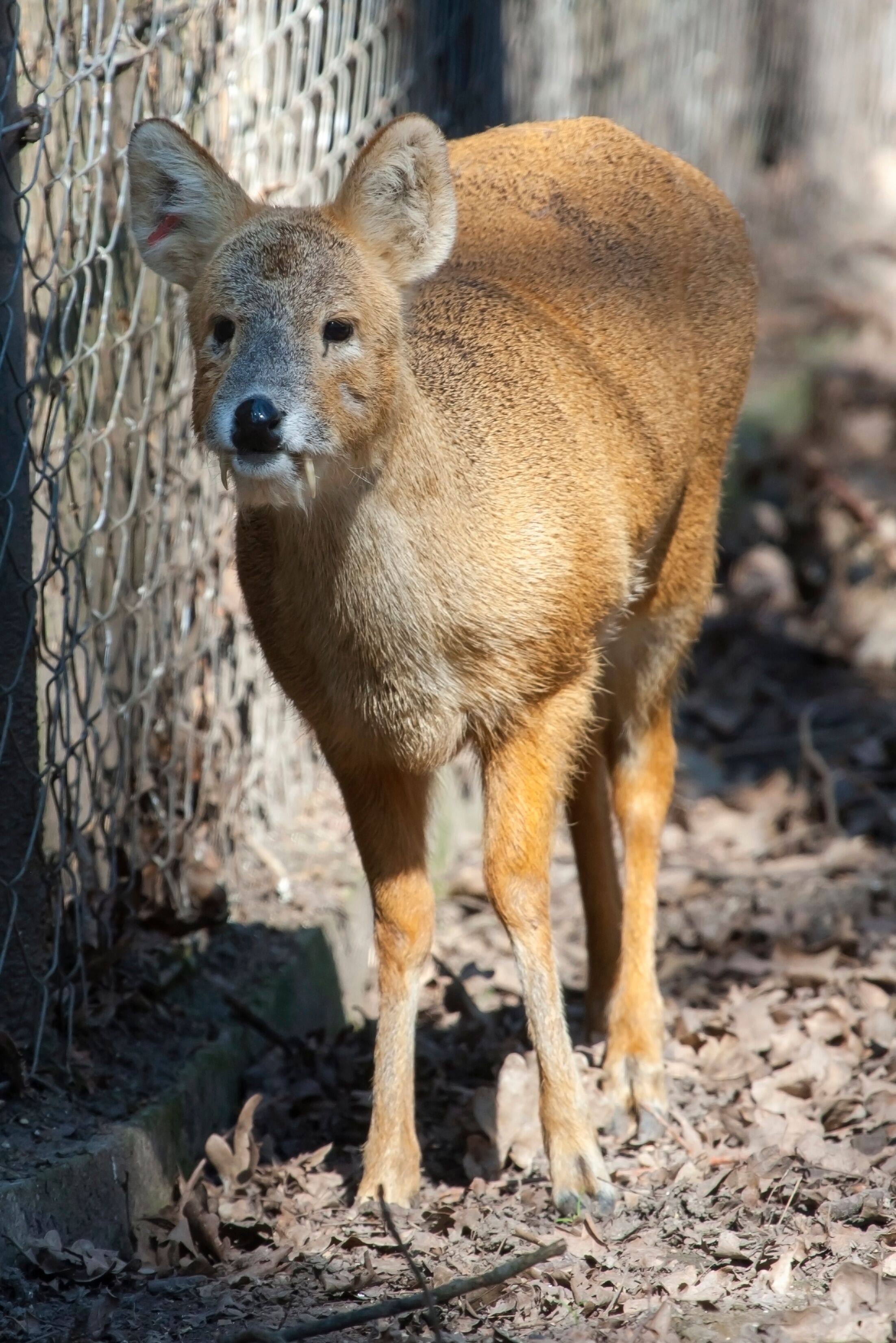
Yes, fanged deer are completely real. The term "vampire deer" is a common nickname used to describe several real-life species of small, primitive deer. Instead of the large antlers typically associated with deer, the males of these species grow elongated, downward-pointing upper canine teeth that look exactly like vampire fangs.
The term "vampire deer" may conjure images of nocturnal blood-sucking bucks roaming the plains and prancing out of the shadows. While yes, vampire deer do exist, they're an Asian subspecies of musk and water deer that sprout 2-3 inch tusks, giving the appearance of vampiric teeth.
Although it might sound shocking, they're pretty cute, and their long, sharp fangs and relatively small stature compared to a mule or whitetail make for a humorous image.
In this blog, we'll explore the origins of the "vampire deer" moniker and the actual species behind the name. We will also debunk some myths while shedding light on fascinating facts.
Updated May 20, 2026
What Are Vampire Deer?
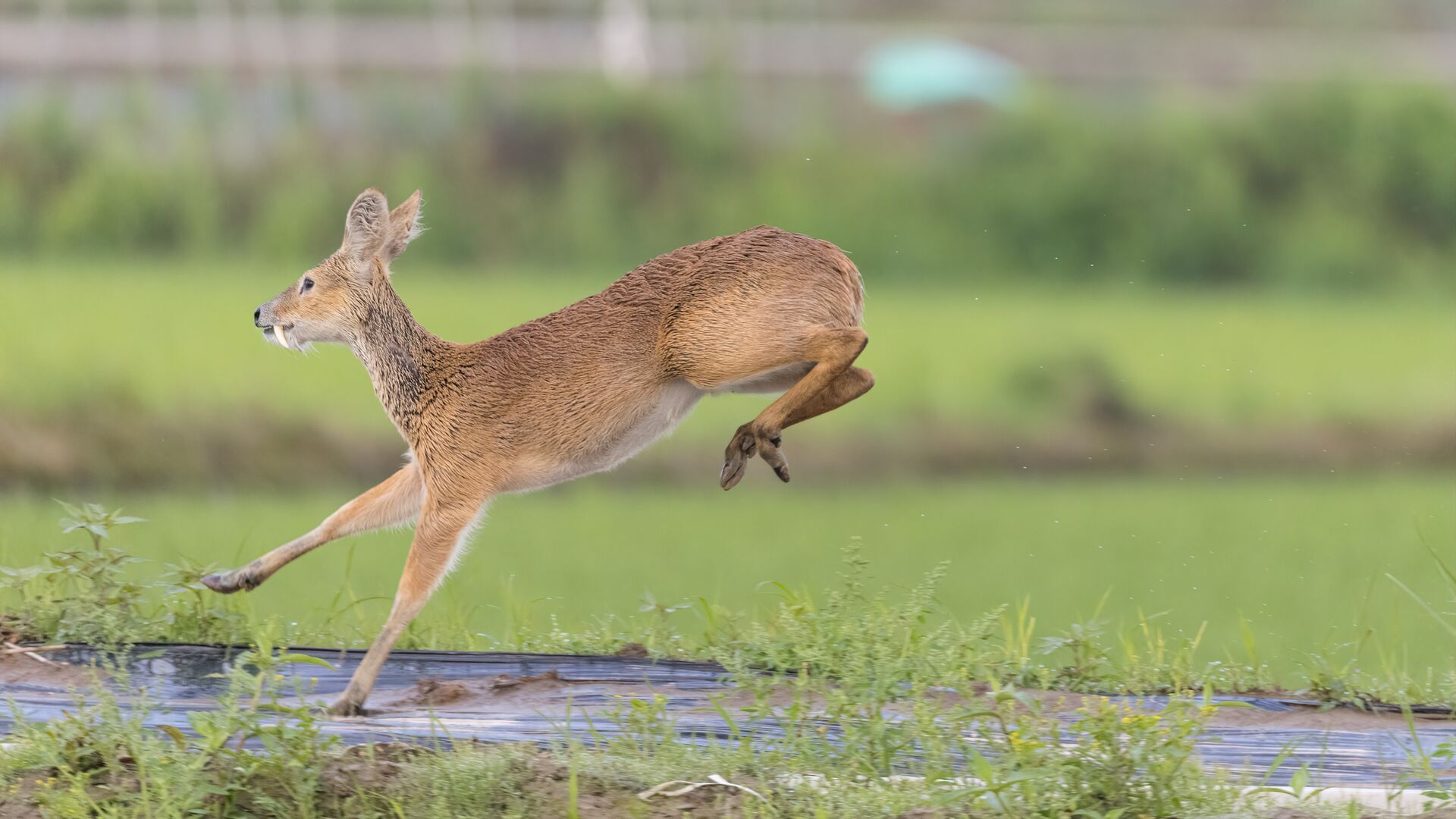
What many consider "vampire deer" are actual deer subspecies known as water deer and musk deer. They're native to East Asia, specifically Korea and China. Their long fang-like tusks, which give them a vampire-like appearance, have long fascinated hunters and animal enthusiasts across the globe.
Let's explore these species in more detail. They include:
- Chinese Water Deer (Hydropotes inermis): This small Asian deer of the Cervidae family is the only deer species in which the male lacks antlers.
- Siberian Musk Deer (Moschus moschiferus): Native to the mountainous regions of Northeast Asia, the Siberian musk deer is noted for its tusks and narrow, kangaroo-like appearance in the face.
Despite their fearsome and mythological name, vampire deer are herbivorous and use their tusks for non-vampiric purposes, such as fighting over dominance and building hierarchy.
Where Could You Find a Vampire Deer?
So, where could you find one of these creatures? Don't get your hopes up if you thought you might see one during a typical deer hunt in the U.S.
Chinese Water Deer
The Chinese Water deer is native to China and Korea. However, introduced populations exist in England and France.
Often found around water sources (hence the name), the deer lives amongst tall rushes and reeds following river banks. They favor highly vegetated areas but can also be found on agricultural lands, open grasslands, and marshlands.
Siberian Musk Deer
Native to the mountainous regions of Northeast Asia, including Russia, Mongolia, and Korea, the Siberian musk deer is commonly found in rocky areas.
However, it is migratory and is known to descend toward forest and wooded areas in the summer in search of grasses.
What About in the U.S.?
You're unlikely to find a vampire deer in the U.S. unless you head to a zoo. So, you won't need to worry about bag limits, and you'll have to travel for an exotic hunt – just remember to pack your winter coat with your gear.
Biology and Behavior
Both species of vampire deer are incredibly small relative to other deer species, reaching about two to sometimes three feet in height. Let's look closer at the difference between the two species.
Musk Deer
Other than the large pointy teeth, what are the distinguishing features of the musk deer? Here are a few.
Musk Deer Physical Characteristics | |
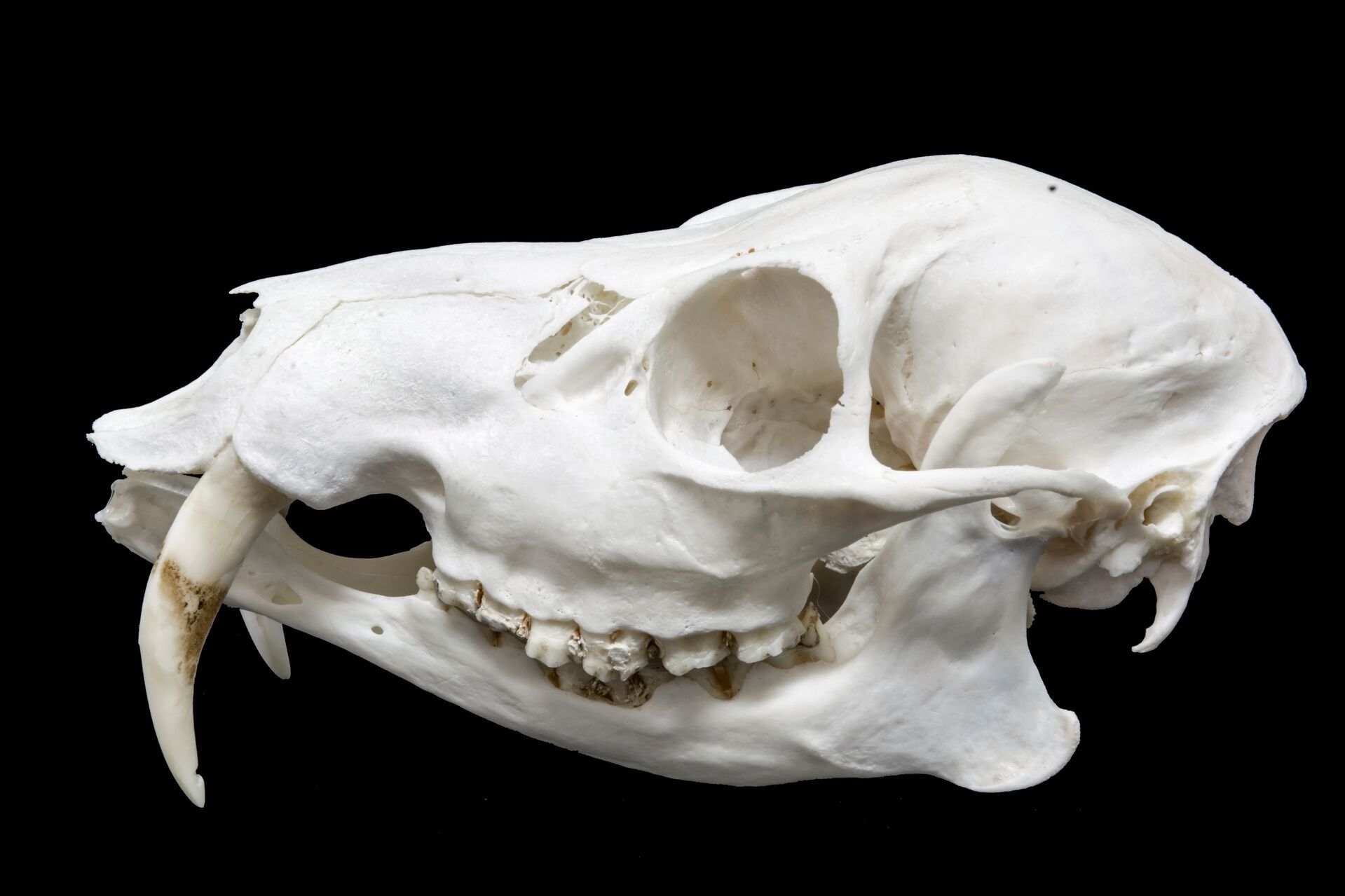
| Physical Characteristics | Similar to the Chinese Water Deer, this species is distinguished by enlarged upper canines that curve downward. They have huge ears relative to their frame and short tails. When younger, their fur is dark brown with spots; however, as they age, it takes on a grayish-brown color, and the spots become less visible. Due to their adaptation to snowy regions, the deer have long pointed hooves, providing extra surface area to travel across snowy landscapes and traverse mountainous regions. Prized for their musk glands, they are often poached to produce black-market products such as perfumes and medicines. |
| Diet | As herbivores, these deer access a wide range of bioavailability from over one hundred different plant species, such as grasses, lichens, and flowers. They favor protein-rich foods that are easily digestible and will change their eating habits depending on the season and availability of food sources. |
| Reproductive Habits | Musk deer are shy and solitary creatures that are often found in groups of three or fewer. Regarding reproduction, the gestation period ranges from 185 to 195 days, usually giving birth to one fawn. |
Chinese Water Deer
How is the Chinese Water Deer different than the Musk Deer? Here are a few things to note.
Chinese Water Deer Physical Characteristics | |
| Physical Characteristics | Chinese water deer are slender-bodied, with long necks and distinctively round ears, which gives them a cartoonish appearance. At birth, they have dark brown coats striped with white and a white underbelly; however, as they mature, they take on a golden brown coloration with some black. Their 'fangs' are partially retractable, allowing them to retract while eating or be displayed in cases of showcasing dominance. |
| Diet | Due to their complex digestive system, Chinese water deer will opt for younger, more digestible vegetation, such as herbs and sweet grasses. While they prefer habitats near water sources, they may also make their way onto agricultural lands, eating available crops. |
| Reproductive Habits | Unlike Musk Deer, Chinese Water Deer can give birth to several fawns at once and are known to buddy up in slightly larger social groups. |
How to Respond to a Vampire Deer Sighting
Spotting a fanged deer in the American wild would be a rare and exciting moment. They are rarer than the elusive black deer. So, knowing how to handle it correctly matters for both conservation and legal reasons.
Follow these steps if you encounter a vampire deer in the field.
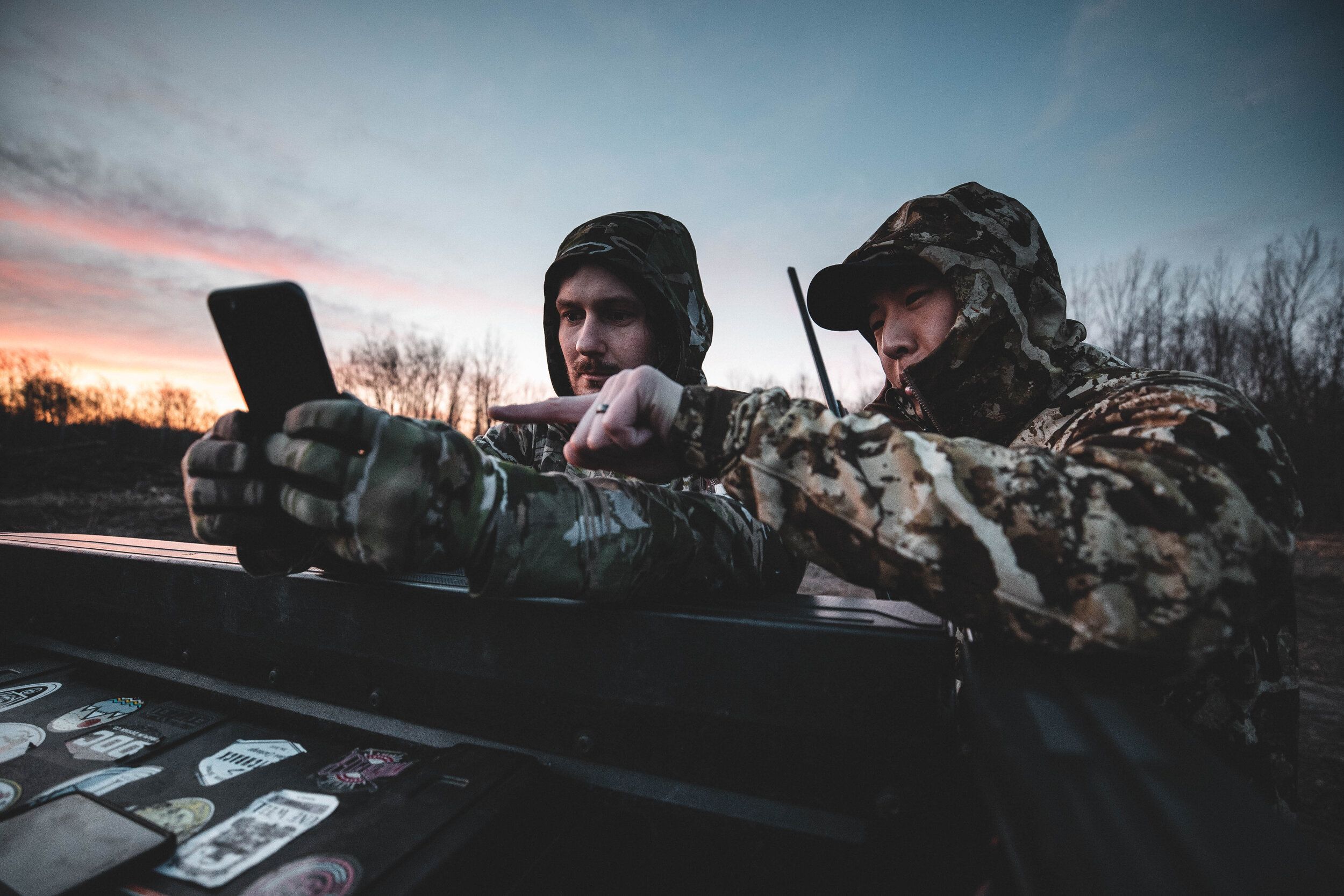
What to do if you see a vampire deer during a hunt: |
|
Deer Hunting With HuntWise
While we may not have vampire deer in the wilds of the U.S., we have arguably the best country in the world for big game, with everything from the highly prized whitetail to elk and even moose up north.
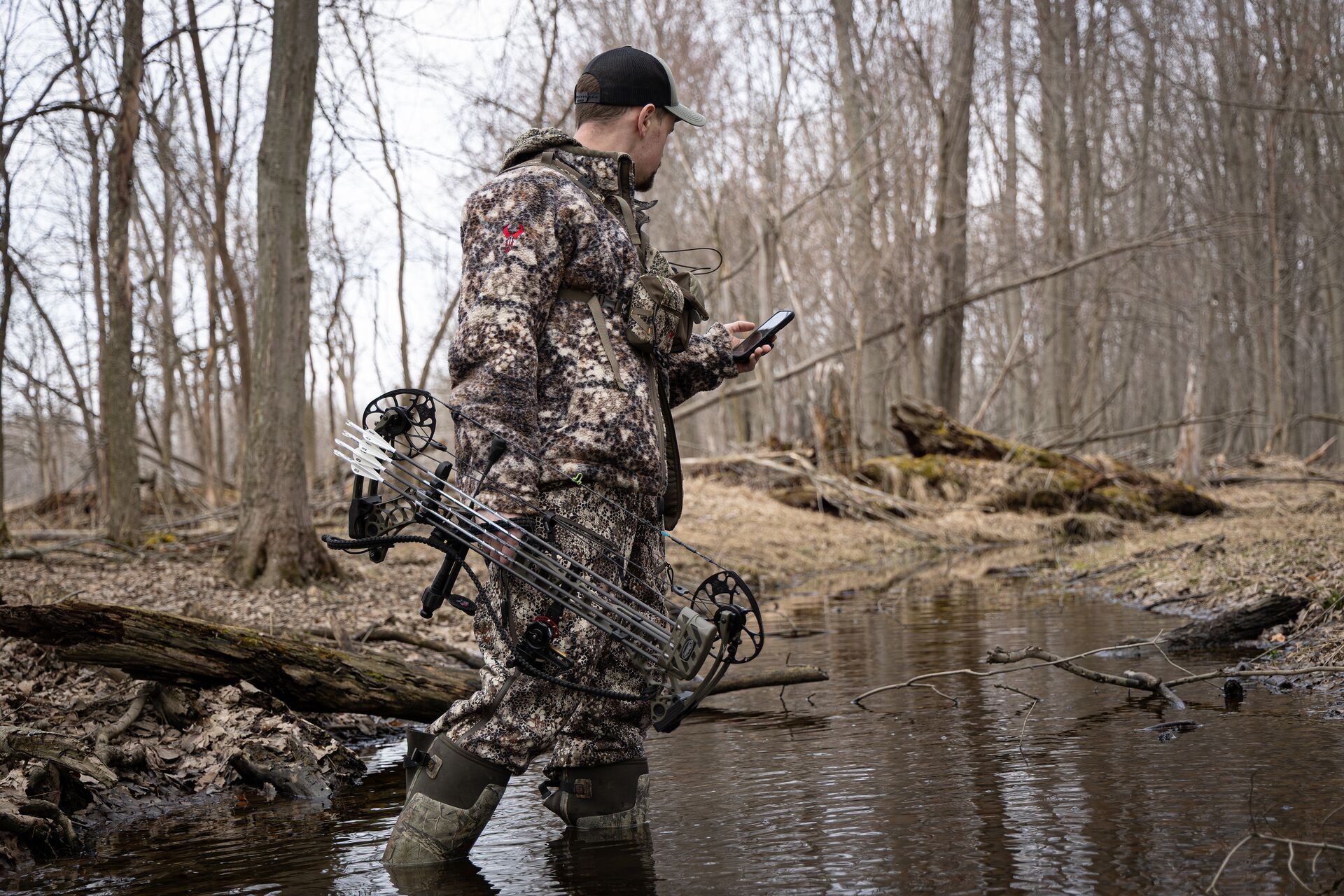
If reading about vampire deer has inspired you, why not jump on HuntWise and set some locations for local species like whitetail and mule deer? With HuntWise, you'll be able to scout zones that other hunters may have overlooked, and you can even set your ideal weather and wind preferences to hit the perfect time to hunt.
Make sure you know how to tell the difference between a buck vs a doe to comply with the regulations in your area.
Scare Up More Deer With HuntWise This Season
Vampire deer are a fascinating and still somewhat misunderstood species. While you may only see one on an international trip or in a zoo, learning more about deer species is always a good thing to round out your knowledge of different types of deer.
For the ultimate insights and hunting partner, grab the HuntWise app. You'll access a full range of maps covering public and private land, receive predictive updates on optimal hunting times, winding insights for elite positioning, and more. It's the best tool to use before and while you're in the field for better deer hunting success.
Download it today and get a week of free access to explore Pro and Elite features!
Previous in Deer
More Content Like This
Gear Up: The Best Hunting Gear for Deer Hunts (2025)
Whether you prefer a lighter kit or a heavier load for those just-in-case moments, choosing your gear for a deer hunt is an essential step that can make or break your hunt. Read More
Read More
What to Know About the AZ Strip Mule Deer Hunt
There are plenty of places to hunt mule deer in the U.S., but one of the most sought-after locations to hunt these deer is the Arizona Strip. Read More
Read More
Where to Shoot a Deer [Shot Placement Guide]
Shot placement is a matter of knowing an animal's anatomy, but also ethics, judgment, and respect for the animals we pursue. So, what's the best shot?Read More
Read More- Deer
Gear Up: The Best Hunting Gear for Deer Hunts (2025)
Whether you prefer a lighter kit or a heavier load for those just-in-case moments, choosing your gear for a deer hunt is an essential step that can make or break your hunt. Read More
Read More - Deer
What to Know About the AZ Strip Mule Deer Hunt
There are plenty of places to hunt mule deer in the U.S., but one of the most sought-after locations to hunt these deer is the Arizona Strip. Read More
Read More - Deer
Where to Shoot a Deer [Shot Placement Guide]
Shot placement is a matter of knowing an animal's anatomy, but also ethics, judgment, and respect for the animals we pursue. So, what's the best shot?Read More
Read More
1 of 3